
Share this article

Table of Contents

Street Photography: How to Tell Powerful Stories Through Everyday Moments

Street Photography: How to Tell Powerful Stories Through Everyday Moments

Key Takeaways

  • Timing is essential for capturing street photography’s decisive moments.
  • Composition techniques like layering and juxtaposition enhance storytelling.
  • Ethical considerations and privacy laws should guide street photography practices.
  • Recognising narratives in everyday life requires a keen observational mindset.

Key Answer

Street photography tells powerful stories by capturing everyday moments through thoughtful timing, composition, and narrative awareness, especially in culturally vibrant locations like Australia.

Street photography is more than simply capturing images of bustling streets and anonymous faces. It is about observing the mundane and transforming it into compelling narratives. In Australia, a land of diverse urban sceneries and vibrant cultural tapestries, street photographers have the perfect backdrop to explore the art of storytelling through everyday moments. This article delves into the techniques and mindset necessary to convey powerful stories through street photography, focusing on timing, composition, and the ability to capture narratives in the ordinary.

The Power of Timing in Street Photography

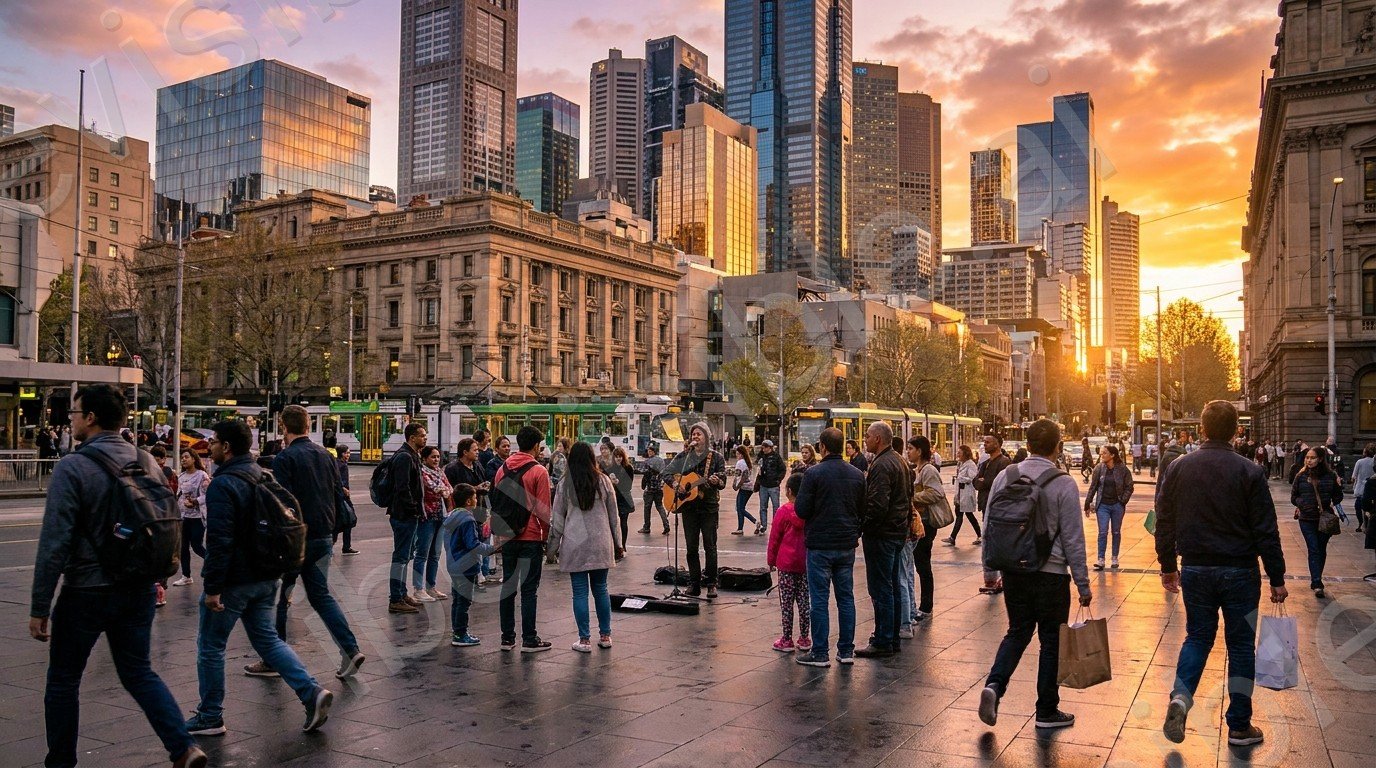
Timing is the essence of street photography. Henri Cartier-Bresson, a pioneer in this genre, spoke of the ‘decisive moment’ – capturing the scene at the precise instant when elements align perfectly. In Australia, from the bustling laneways of Melbourne to Sydney’s iconic Circular Quay, the streets are alive with serendipitous moments waiting to be captured.

One must anticipate the movement and interactions within the street environment. Photographers should train themselves to predict these moments by understanding the rhythm of their surroundings. Observing pedestrian flow, studying light changes throughout the day, and knowing when local events or gatherings occur can aid in being at the right place at the right time.

For example, capturing the rush of commuters crossing the street juxtaposed against a solitary figure lost in thought, can create a dynamic narrative. This technique requires patience and a keen eye for detail, turning a simple scene into a powerful story.

Mastering Composition to Enhance Storytelling

Composition is crucial in transforming everyday scenes into compelling stories. In street photography, composition rules such as the rule of thirds, leading lines, and framing can significantly enhance the storytelling aspect of an image.

Layering is a technique where multiple elements in a scene add depth and context, helping to tell a more comprehensive story. For instance, photographing through the window of a busy café in Brisbane might capture the reflection of the street outside, blending interior and exterior narratives.

Juxtaposition is another powerful compositional tool. By placing contrasting elements side by side, photographers can create visual stories with subtext. Consider an elderly couple strolling past a vibrant mural of youthful graffiti art in Melbourne – this contrast speaks volumes about tradition meeting modernity.

Moreover, photographers must remain conscious of ethical considerations, particularly when subjects are vulnerable or unaware they are being photographed. Capturing candid moments respectfully and understanding privacy laws in Australia are integral to ethical street photography.

Expert Perspective

Professional Photographer and Street Photography Expert

In my experience as a professional photographer, the magic of street photography lies in its ability to transform everyday moments into captivating stories. Mastering timing and composition, while adhering to ethical practices, can elevate a photographer’s work from mere snapshots to powerful narratives that truly resonate.

Recognising and Capturing Narratives in Everyday Life

To tell powerful stories, street photographers must develop a mindset attuned to narrative discovery. This involves seeing beyond the obvious and recognising stories in mundane occurrences. It is about capturing emotion, context, and the essence of human interaction.

Iconic photographers like Trent Parke have excelled in capturing the spirit of Australian life, depicting both the beauty and the rawness of everyday moments. His work often reflects his ability to notice intricate details within the chaos, crafting stories from what might initially seem unremarkable.

The streets of Adelaide or Perth offer rich backdrops for storytelling. By focusing on subjects such as cultural festivals, public transport interactions, or even moments of solitude in urban parks, photographers can explore a wide range of narratives.

Ethical considerations are paramount. When capturing children or vulnerable populations, photographers should seek consent or opt for anonymity, ensuring respect and dignity are maintained in their work. Understanding these ethical frameworks is crucial to authentic and respectful storytelling in street photography.

Photo Essay Sequencing: Building a Narrative Arc

A single photo can tell a story, but a series of images can build a narrative arc. Photo essays offer an opportunity to delve deeper into a theme or event by presenting a collection of photos that work together to provide a fuller picture.

Curating a photo essay requires thoughtful sequencing. Start by selecting images that introduce the subject and setting, followed by images that explore the story’s development, and conclude with photos that provide closure or a thought-provoking end.

For instance, documenting a day in the life of a farmer’s market in Tasmania might start with the early morning setup, followed by interactions between vendors and customers, and ending with the market winding down. Each photo should contribute to the overarching narrative, engaging viewers throughout the sequence.

Interacting with Subjects and Remaining Invisible

Street photography often requires interaction with subjects or maintaining a low profile to capture genuine, unposed moments. When interacting, photographers should approach subjects with openness and respect, explaining their intentions if necessary. This transparency can lead to more authentic and cooperative subjects.

Alternatively, the ability to blend into the environment is a valuable skill. Using smaller cameras, like mirrorless models, can make photographers less conspicuous, allowing them to capture authentic scenes without disturbing the moment. Observing from a distance or using natural cover, such as doorways or benches, can help photographers remain unnoticed while still telling powerful stories.

Ultimately, whether interacting or remaining invisible, the goal is to depict human stories that resonate and provoke thought. By honing these skills, photographers can achieve both technical excellence and narrative depth in their street photography.

Frequently Asked Questions

The ‘decisive moment’ refers to capturing a scene at the exact time when all elements align perfectly to create a compelling image. It requires anticipation and quick reflexes.

Composition is crucial in street photography as it enhances storytelling by organising elements within the frame to convey a particular narrative or emotion.

Yes, photographers must respect privacy laws and consider the dignity and anonymity of their subjects, especially when photographing vulnerable populations or children.

Authentic street photos can be captured by remaining unobtrusive, using small cameras, and blending into the environment to record candid moments.

A good photo essay tells a comprehensive story through a series of sequenced images, each contributing to the narrative and engaging the viewer.