
Share this article

Table of Contents

The Role of Artificial Intelligence in Modern Facilities Management: Transforming Efficiency and Sustainability

The Role of Artificial Intelligence in Modern Facilities Management: Transforming Efficiency and Sustainability

Key Takeaways

  • AI enhances efficiency in facilities management by automating processes and optimising energy use.
  • Predictive maintenance through AI minimises equipment downtime and extends service life.
  • AI-driven sustainability practices help meet Australia’s strict environmental regulations.
  • The future of facilities management in Australia involves increased AI integration for smarter, autonomous operations.

Key Answer

AI is revolutionising facilities management in Australia by enhancing efficiency, enabling predictive maintenance, and improving sustainability practices. These innovations help address challenges such as operational costs and sustainability demands, offering smarter management strategies.

The role of artificial intelligence in modern facilities management is becoming increasingly pivotal. In Australia, the integration of AI technologies is revolutionising how buildings and facilities operate, providing significant enhancements in efficiency, predictive maintenance, and sustainability practices. As facilities managers face challenges such as escalating operational costs and sustainability demands, AI offers a pathway to smarter and more effective management strategies.

Why AI is the Game Changer in Facilities Management

In the realm of facilities management, AI has emerged as a transformative force. Traditional methods often fall short in handling the complexities of modern buildings, which require dynamic and responsive management systems. Artificial intelligence bridges this gap by leveraging data-driven insights that can optimise operations at every level.

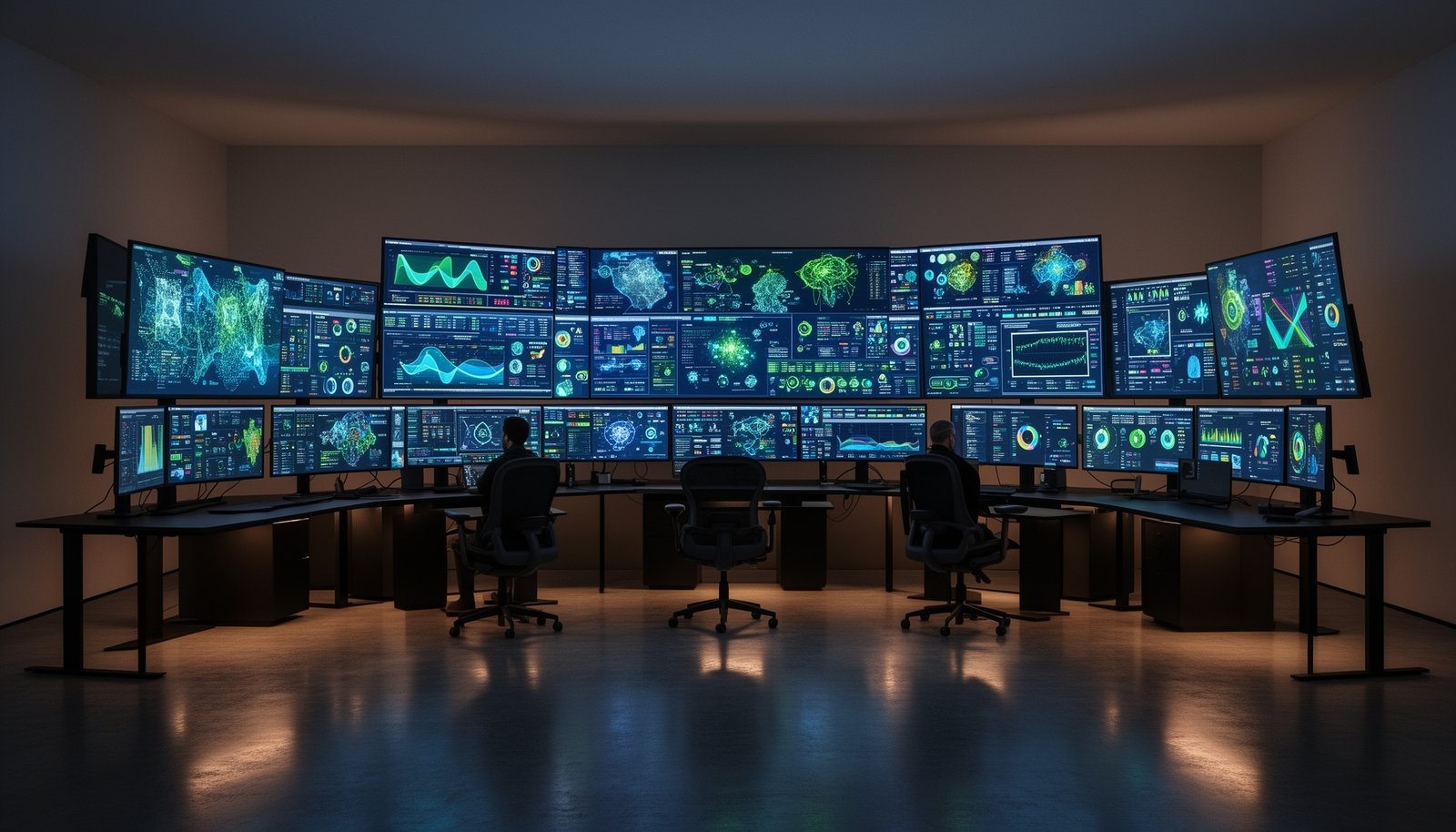
For instance, AI-powered systems in Australia can analyse vast amounts of data from sensors and IoT devices, facilitating real-time decision-making processes. This capability allows for precise adjustments in energy usage, occupancy comfort, and security protocols, which are crucial for large facilities such as those found in Melbourne’s Central Business District.

Aspect Traditional Methods AI-Driven Methods
Energy Management Manual adjustment Automated optimisation
Maintenance Scheduling Reactive Predictive
Security Protocols Static patrols Dynamic AI monitoring

Predictive Maintenance: A Step Ahead with AI

One of the standout benefits of AI in facilities management is its capacity for predictive maintenance. Unlike reactive maintenance, which addresses problems after they occur, predictive maintenance anticipates issues before they disrupt operations. This proactive approach not only reduces downtime but also extends the lifespan of equipment.

In Australian facilities, such as those managed by government organisations, AI tools can predict maintenance needs by analysing patterns in equipment performance data. For example, air conditioning systems in Sydney can be monitored to predict potential failures during peak summer months, ensuring uninterrupted service and cost savings.

Expert Perspective

Facilities Management Consultant

As Australia continues to lead in the adoption of sustainable practices, integrating AI in facilities management is not just beneficial but essential. It enables facilities to meet strict environmental standards while optimising operations. This trend will likely accelerate, making AI a cornerstone of modern management strategies.

Enhancing Sustainability with AI

Sustainability is a critical goal in today’s facilities management landscape, and AI plays a crucial role in meeting these objectives. By analysing energy consumption patterns, AI technologies help facilities reduce their carbon footprint. This is particularly relevant in Australia, where environmental regulations are stringent and the commitment to sustainability is strong.

AI systems can suggest optimal energy usage strategies and identify areas where efficiency improvements can be made. For instance, in Perth, AI can help manage solar energy systems more effectively, ensuring that buildings utilise renewable energy sources to their full potential. Such advancements not only contribute to sustainability but also result in cost reductions for facility operators.

AI's Role in Meeting Australian Regulations

Australia’s regulatory environment for facilities management is rigorous, emphasising both environmental sustainability and operational efficiency. AI technology aids in compliance by providing detailed analytics and reporting capabilities that ensure facilities meet these standards.

For example, facilities in Brisbane can utilise AI to track and report energy usage and emissions more accurately, aligning with national and regional sustainability targets. AI-enabled systems facilitate comprehensive monitoring and reporting, essential for compliance and for qualifying for governmental incentives aimed at green building initiatives.

The Future of AI in Facilities Management

Looking ahead, the integration of AI in facilities management is poised to expand further, with innovations that promise to transform the industry. The continued advancement in AI technologies will likely lead to smarter buildings that operate autonomously, learning from data patterns to make informed decisions without human intervention.

In Australia, this evolution will be visible in the development of intelligent precincts and smart cities, where AI-driven facilities operate in harmony with urban planning initiatives. Such projects aim to create sustainable, efficient, and liveable environments that reflect the future of facilities management globally.

Frequently Asked Questions

AI optimises energy management by analysing data from various systems to automate energy use, reducing waste and improving efficiency.

Predictive maintenance uses AI to forecast equipment failures before they occur, minimising downtime and repair costs.

AI aids sustainability by identifying energy-saving opportunities and optimising resource use to lower carbon footprints.

Yes, many Australian facilities managers are integrating AI to meet regulatory requirements and improve operational efficiency.

The future involves smarter AI systems that autonomously manage facilities, improving efficiency and sustainability.