
Share this article

Table of Contents

Esports in 2026: The Fastest-Growing Competitive Games Transforming the Landscape

Esports in 2026: The Fastest-Growing Competitive Games Transforming the Landscape

Key Takeaways

  • ‘Deadlock’ and ‘Off the Grid’ are poised to become major players in the esports scene by 2026.
  • Australia’s esports industry is expanding rapidly, driven by technological advances and a strong local player base.
  • The rise of ‘phygital’ esports represents a new frontier in gaming, blending digital and physical elements.

Key Answer

Esports in 2026 will be defined by games like ‘Deadlock’ and ‘Off the Grid’, driven by rising viewership in Australia and advancements in 5G technology.

The realm of esports is on the brink of a transformative era, with 2026 poised to be a landmark year for competitive gaming. As the industry continues its meteoric rise, the spotlight is now on emerging titles and innovative technologies that are shaping the future landscape of esports. With Australia positioning itself as a pivotal player in this global arena, there is no better time to delve into the fastest-growing competitive games that are capturing the attention of gamers worldwide.

The Stalwarts: Games That Continue to Lead

Certain games have established themselves as bedrocks of the esports world, maintaining their dominance through consistent updates and vibrant communities. Titles such as ‘League of Legends’ (LoL) and ‘Counter-Strike 2’ (CS2) remain at the forefront. LoL continues to captivate with its strategic depth and massive international tournaments like the World Championship. Similarly, CS2, the evolution of the classic shooter, attracts millions with its tactical gameplay and prestigious events such as the ESL Pro League.

These stalwarts not only bring in significant viewership numbers but also boast substantial prize pools, which are integral to their ongoing popularity. According to the latest data, these games are not just popular; they are cultural phenomena that continually influence gaming trends and player engagement worldwide.

The Disruptors: New Contenders in the Arena

Among the new entrants, ‘Deadlock’ and ‘Off the Grid’ are predicted to disrupt the current esports landscape. These games are harnessing innovative game mechanics and immersive storylines to attract a new generation of gamers. Industry experts forecast that by 2026, these titles will redefine competitive gaming with their unique approaches to player interaction and community building.

‘Deadlock’, known for its strategic gameplay and dynamic environments, has quickly garnered a dedicated fanbase. Meanwhile, ‘Off the Grid’, with its focus on futuristic combat and narrative-driven missions, is setting new standards in the competitive scene. These games are not only capturing the imagination of players but are also becoming focal points for major esports tournaments globally.

Expert Perspective

Esports Analyst

As esports continues its rapid evolution, the games that will succeed are those that offer not only engaging gameplay but also foster strong communities and adapt to new technological advancements. Australia’s commitment to esports infrastructure and talent development sets a promising precedent for other regions aspiring to grow their competitive gaming sectors.

Regional Kings: Australia's Rising Stars

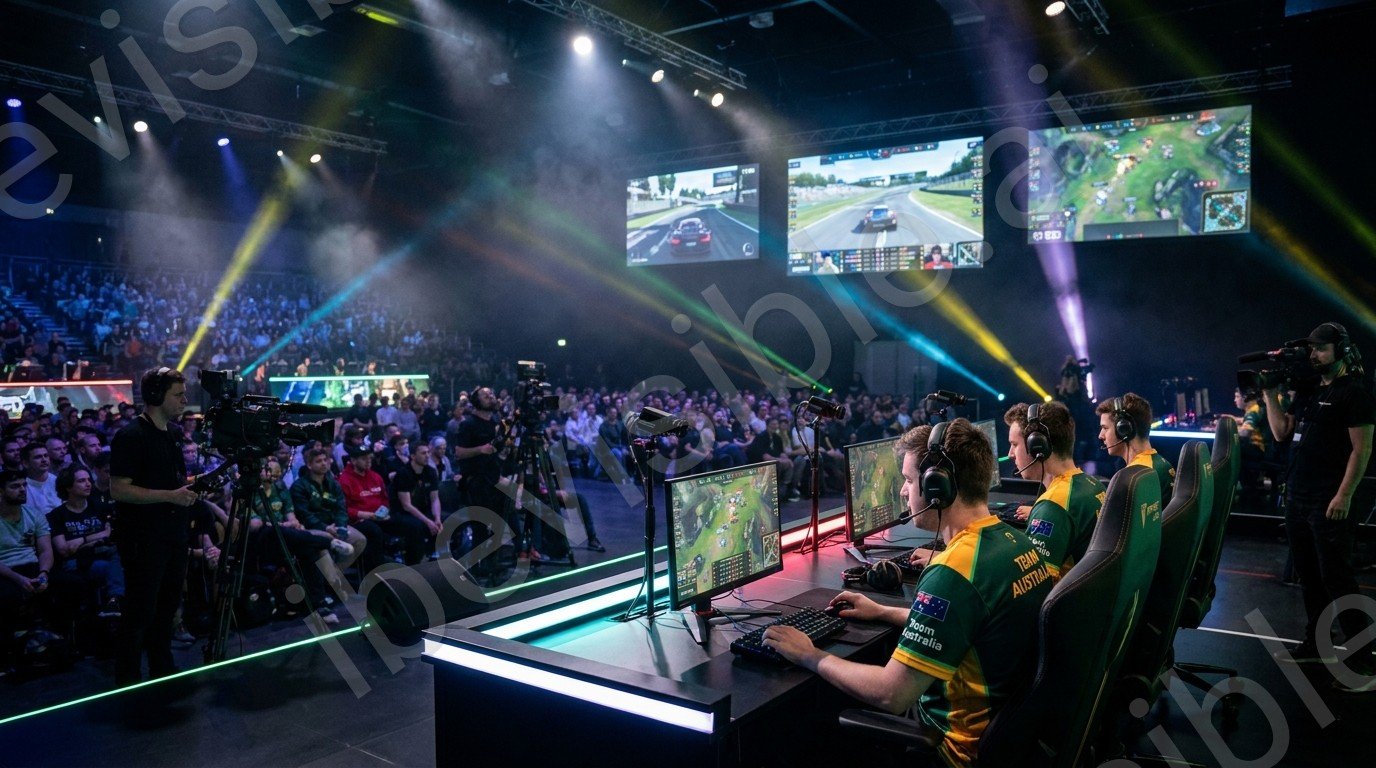
Australia is carving out a significant niche in the esports domain, with local teams gaining international recognition. Titles like ‘Fortnite’ and ‘Rainbow Six Siege’ have witnessed substantial growth in Australian participation, driven by the country’s robust digital infrastructure and supportive local tournaments.

The Australian esports scene is thriving with events such as the Melbourne Esports Open and numerous other regional competitions, which have been pivotal in nurturing local talent. The integration of 5G technology further enhances gameplay experiences, enabling seamless online play and elevating Australia’s status as a hub for competitive gaming.

Technological Innovations: Shaping the Future

The integration of next-gen technologies like 5G and cloud gaming is revolutionising how esports are played and viewed. These technologies are expanding accessibility, allowing more players from diverse backgrounds to participate in competitive gaming without the need for high-end equipment.

Furthermore, AI-driven coaching tools and real-time analytics are offering unprecedented insights into player performance. This not only enhances the competitive edge of players but also enriches viewer experiences, as broadcasts can now provide deeper, data-driven analyses of matches.

Phygital Esports: Bridging Digital and Physical Worlds

The concept of ‘phygital’ esports is gaining traction, blending physical athleticism with digital gameplay. Games like HADO, which combine augmented reality with traditional sports elements, are pioneering this new form of competition. Such innovations are expected to draw broader audiences, merging the appeal of physical sports with the excitement of digital competition.

In Australia, these developments are being closely monitored, with potential for local adoption to further diversify the esports offerings in the region.

Spotlight on Growth: Australia's Contribution

Australia’s contribution to the global esports ecosystem cannot be understated. The country is home to a burgeoning community of players and developers who are pushing the boundaries of what’s possible in competitive gaming. Events hosted across major cities like Sydney and Melbourne are increasingly attracting international participants, showcasing Australia’s potential as a major player on the world stage.

Moreover, government and corporate support for esports initiatives is on the rise, providing more opportunities for local talent to shine in international arenas. The focus on education and training programs for young gamers is also helping to nurture the next generation of esports professionals.

Case Study: Australia's Esports Triumphs

Australia has been at the forefront of innovative esports practices. The thriving tournament scene, exemplified by the Melbourne Esports Open, has become a pivotal platform for showcasing new titles and players. Here’s a closer look at Australia’s esports journey:

  • Challenge: Building a competitive environment capable of attracting global attention.
  • Solution: Hosting large-scale events and investing in local talent development.
  • Results: Significant increase in international viewership and local player participation.

“Australia’s strategic investments in digital infrastructure and local talent have positioned it as a rising star in the global esports community.”

Frequently Asked Questions

In 2026, ‘Deadlock’ and ‘Off the Grid’ are among the fastest-growing esports games, gaining popularity due to their innovative gameplay and strong community engagement.

Australia is making significant contributions by hosting major tournaments, nurturing local talent, and integrating advanced technologies like 5G to enhance gaming experiences.

Technology, particularly 5G and AI, plays a crucial role by improving game accessibility, enhancing player performance through data analytics, and enriching viewer experiences.

‘Phygital’ esports combine physical sports elements with digital gaming, creating interactive competitions like HADO that appeal to a broader audience.

Sydney and Melbourne are leading hubs for esports events in Australia, frequently hosting large-scale competitions that draw international participants.