
Key Takeaways
- Virtual reality is redefining the gaming landscape, offering immersive experiences that engage players on a deeper level.
- Australian companies are at the forefront of VR innovation, creating unique and scalable gaming experiences.
- Challenges in VR gaming include motion sickness and cost, but solutions are actively being developed.
- Future opportunities in VR gaming include cross-platform integration and novel monetisation strategies.
Key Answer
Virtual Reality is transforming the gaming industry by creating immersive gameplay experiences and driving advancements in hardware. Australian companies are at the forefront, using VR to engage players and broaden their market presence.
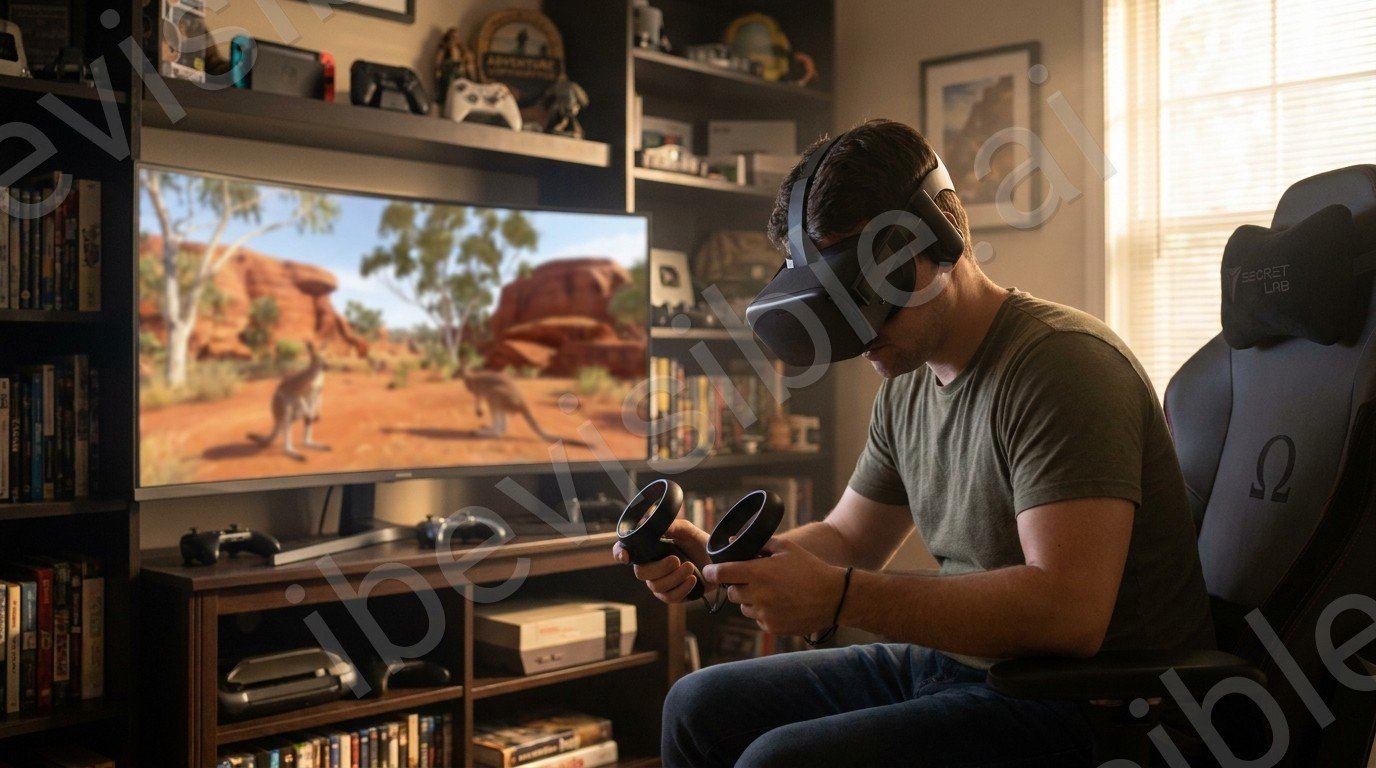
In recent years, virtual reality (VR) has become a pivotal force in redefining the gaming landscape. From immersive gameplay experiences to the innovation in VR hardware, the technology is reshaping how players engage with games. This transformation is particularly evident in Australia, where local gaming companies are leading the charge in leveraging VR technology to captivate players and expand their market footprint.
The Evolution of Immersive Experiences
Virtual reality technology has taken the concept of immersive experiences to unprecedented heights. Unlike traditional gaming that relies on 2D interfaces, VR creates a fully immersive environment where players feel as though they inhabit the game world. This transition from passive interaction to active participation enhances player engagement significantly.
In Australia, companies like Zero Latency have pioneered free-roam VR experiences that allow players to physically navigate digital environments without the constraints of cords or limited space. Such innovations not only enhance realism but also broaden the scope of gaming possibilities, turning what was once a solo activity into a shared, social experience.
Advancements in VR Hardware and Software
Advancements in VR hardware and software have been crucial in reshaping the gaming industry. Devices like the Oculus Quest 2 are setting new standards with their untethered, all-in-one systems that deliver high-quality graphics and intuitive controls, enhancing accessibility for gamers.
Australian developers have contributed significantly to these advancements. The development of customised VR software solutions has allowed game studios to create more realistic and engaging game worlds. Additionally, the integration of AI and machine learning in VR systems helps tailor the gaming experience to individual player preferences, fostering greater immersion and personalisation.
| Aspect | Traditional Gaming | VR Gaming |
|---|---|---|
| Hardware | Console/PC | VR Headset (Oculus Quest 2) |
| Interaction | Controller-based | Motion Tracking |
| Environment | 2D Screen | 360-Degree Immersion |
Expert Perspective
Gaming Technology Analyst
The rapid evolution of virtual reality in gaming demonstrates the technology’s potential to transform not just how games are played, but how they are developed and monetised. Australia’s active role in this transformation highlights its position as a burgeoning tech leader, offering a glimpse into the future of gaming.
Australian Innovations in VR Gaming
Australia has become a hub for VR innovation, with gaming companies leading the charge in developing unique VR experiences. For instance, developers like Opaque Space have garnered international acclaim for their work in VR simulations, initially created for astronaut training but now inspiring new realms in consumer gaming.
“The success of VR ventures in Australia highlights the nation’s capability in the tech sphere. VR is not just reshaping gaming, but it’s paving the way for Australia to emerge as a leader in global tech innovation,” commented by a spokesperson from Zero Latency.
These companies are not only creating games but are also influencing the VR ecosystem by focusing on scalability, interoperability, and user-centric design.
Challenges and Opportunities in VR Gaming
While VR technology offers vast potential, it also presents challenges that the industry must address. Issues like motion sickness and the high cost of entry for high-end VR setups can deter potential users. Australian developers are actively researching solutions to these problems, such as optimising frame rates and exploring different locomotion systems to reduce discomfort.
The opportunities, however, are immense. As VR technology continues to evolve, so too will the possibilities for cross-platform play and AR integration, allowing for richer and more interconnected gaming experiences. Australian companies are well-positioned to capitalise on these opportunities, using their innovative spirit to drive forward the next generation of gaming.
The Future of VR Monetisation
The monetisation of VR gaming is another frontier that Australian developers are beginning to explore. With the rise of VR arcades and pay-per-experience models, monetisation strategies are evolving alongside the technology itself.
Developers are also experimenting with subscription models and in-game purchases tailored to VR experiences. This approach not only offers players a diverse array of content but also provides sustainable revenue streams for developers, ensuring the continual growth and development of the VR gaming industry.
Frequently Asked Questions
VR enhances immersive gameplay by creating a fully immersive 3D environment, allowing players to physically engage with the game world, enhancing realism and interactivity.
Australian companies like Zero Latency and Opaque Space are innovating in VR gaming by developing unique experiences, advancing VR technology, and influencing global trends in immersive gameplay.
Key challenges include motion sickness, high costs of VR setups, and ensuring accessibility. Developers are working on solutions like optimising frame rates and exploring cost-effective hardware alternatives.
Opportunities include the development of cross-platform VR experiences, integration with AR technologies, and the creation of new monetisation models such as subscriptions and pay-per-experience services.
VR technology increases player engagement by providing a more interactive and immersive experience, which enhances player satisfaction and retention rates.