
Key Takeaways
- Dengue fever significantly affects workplace productivity due to absenteeism and reduced efficiency.
- Implementing HR policies and mosquito-proofing can mitigate the economic impact on businesses.
- Long-term effects like post-viral syndrome further impair employee performance, necessitating supportive measures.
- SMEs are particularly vulnerable to dengue’s impact due to limited resources and manpower.
Key Answer
Dengue fever significantly hampers workplace productivity in Sri Lanka, particularly in the IT sector, through increased absenteeism, reduced efficiency, and long-term cognitive effects.
In Sri Lanka, dengue fever has emerged as a formidable adversary, significantly impacting workplace productivity. This mosquito-borne disease, prevalent in tropical and subtropical climates, has pervasive effects across several industries, including the crucial IT sector. Understanding the economic ramifications of dengue and implementing robust prevention strategies are essential for maintaining operational continuity.
Quantifying the Economic Cost of Dengue in Sri Lanka
The economic impact of dengue on Sri Lanka’s industries, particularly IT, is profound. According to the World Health Organisation, dengue outbreaks incur significant medical costs and productivity losses. In the IT sector, where project timelines and client commitments are paramount, the absenteeism resulting from dengue can disrupt operations and lead to financial penalties.
A report by the Sri Lankan health authorities noted that the indirect costs, such as lost workdays and decreased output due to dengue-related illness, often surpass direct medical expenses. This strain is notably felt in sectors reliant on continuous output and high productivity standards.
| Impact Metric | Estimated Cost |
|---|---|
| Absenteeism Costs | USD 50 million annually |
| Reduced Productivity | 15% decrease in efficiency |
| Healthcare Expenses | USD 30 million annually |
Dengue-Related Absenteeism and 'Presenteeism'
Absenteeism due to dengue fever can lead to missed deadlines, especially in the IT industry, where team coordination is crucial. An even more insidious threat is ‘presenteeism’, where employees return to work before fully recovering, leading to suboptimal performance.
Presenteeism exacerbates the problem as it often results in a longer recovery period for the individual and can inadvertently spread the virus within the office environment. This not only affects the individual’s health but also compromises the productivity of entire teams.
Expert Perspective
Workplace Health and Safety Specialist
In my capacity as an expert in public health and workplace management, I find that the key to mitigating dengue’s impact on workplace productivity lies in proactive prevention and comprehensive HR strategies. Businesses that prioritise employee health and safety not only protect their workforce but also enhance their long-term operational efficiency.
HR Strategies for Managing Dengue Risks
Implementing effective HR strategies can mitigate the impact of dengue on workplace productivity. Policies should include clear guidelines on sick leave entitlements and flexible working arrangements. Moreover, providing education about dengue prevention and symptoms can empower employees to seek timely medical intervention and avoid the workplace if symptoms appear.
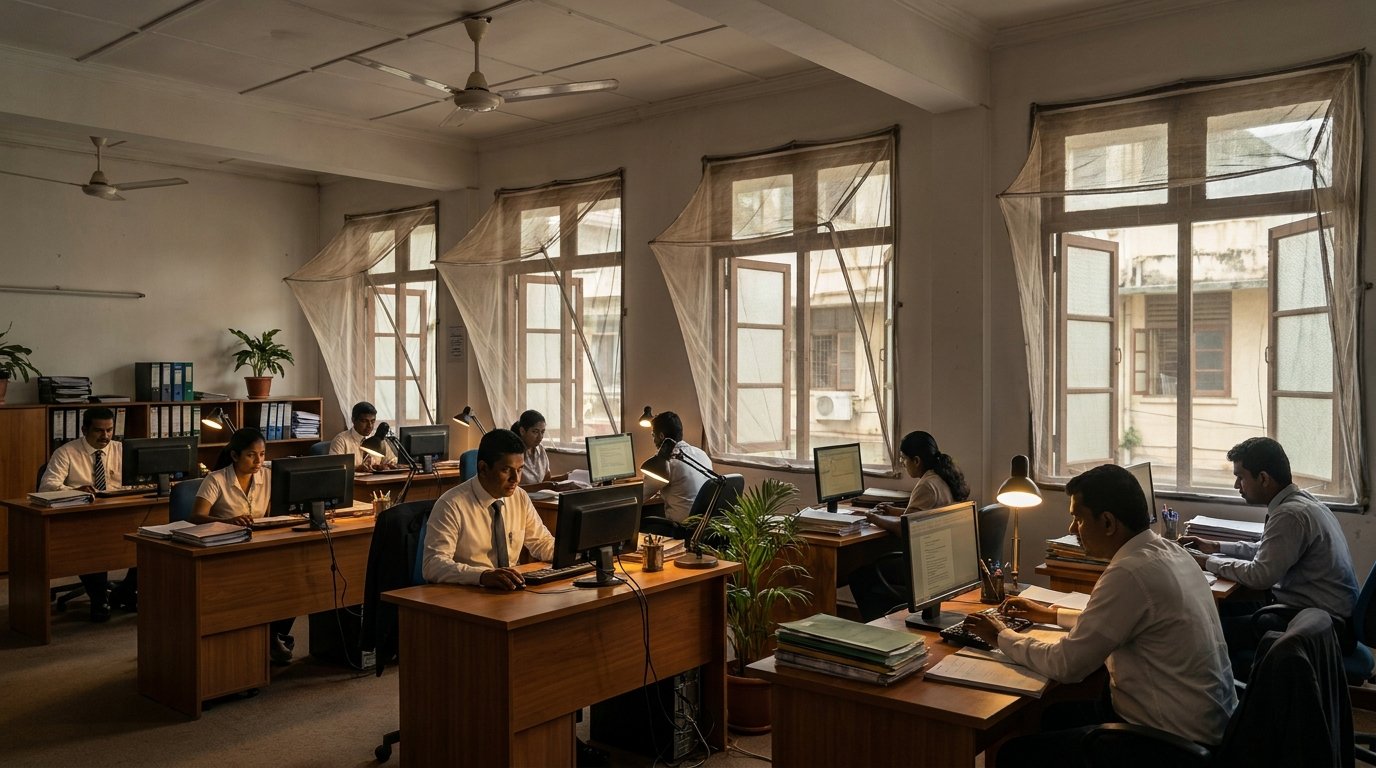
To prevent workplace contamination, IT firms are encouraged to invest in mosquito-proofing strategies such as installing screens on windows and maintaining cleanliness around office premises. Such proactive measures not only safeguard employee health but also ensure a steady workflow.
Long-Term Effects of Dengue on Cognitive and Physical Performance
Post-viral syndrome is a common long-term effect of dengue, affecting cognitive functions and physical stamina. Employees recovering from dengue often report fatigue and concentration difficulties, impairing their ability to perform complex tasks characteristic of the IT sector.
These cognitive and physical impairments can lead to a reduction in decision-making quality and operational efficiency, affecting the strategic goals of businesses. Addressing these issues through adequate rest periods and supportive work environments is crucial for sustainable productivity.
Why SMEs Are Particularly Vulnerable
Small and Medium Enterprises (SMEs) in Sri Lanka face unique challenges when dealing with the impact of dengue. With limited resources and manpower, SMEs can suffer disproportionately from workforce depletion during dengue outbreaks. This not only affects individual businesses but also has a cascading effect on local supply chains.
Effective management strategies, tailored to the needs of SMEs, are essential. These may include forming partnerships with local health authorities for timely interventions and implementing community-driven prevention measures. By doing so, SMEs can better withstand the disruptions caused by dengue outbreaks.
Frequently Asked Questions
Dengue fever causes significant absenteeism and ‘presenteeism’ in Sri Lanka’s IT sector, leading to missed deadlines and reduced efficiency.
HR strategies include implementing flexible work arrangements, clear sick leave policies, and investing in mosquito-proofing the workplace.
SMEs often lack the resources and manpower to manage the disruptions caused by dengue, leading to a higher impact on their operations.
Long-term effects of dengue include post-viral syndrome, which can impair cognitive and physical performance, affecting productivity.
Workplaces can install screens, maintain clean environments, and educate employees on dengue symptoms and prevention strategies.