Key Takeaways
- Facilities management is essential for maintaining productivity in Sri Lanka’s IT industry.
- Preventive maintenance helps avoid costly repairs and operational disruptions.
- Employee wellbeing is enhanced through a comfortable and healthy work environment.
- Hygiene and cleanliness reduce absenteeism and promote a professional atmosphere.
Key Answer
Effective facilities management is crucial for boosting productivity by ensuring clean, safe, and well-maintained work environments in Sri Lanka’s IT industry.
In the bustling IT sector of Sri Lanka, maintaining peak productivity is paramount. How good facilities management improves company productivity is not just an operational concern; it is a strategic advantage. This approach goes beyond mere maintenance and delves into creating an environment conducive to innovation and efficiency.
The Role of Facilities Management in Workplace Efficiency
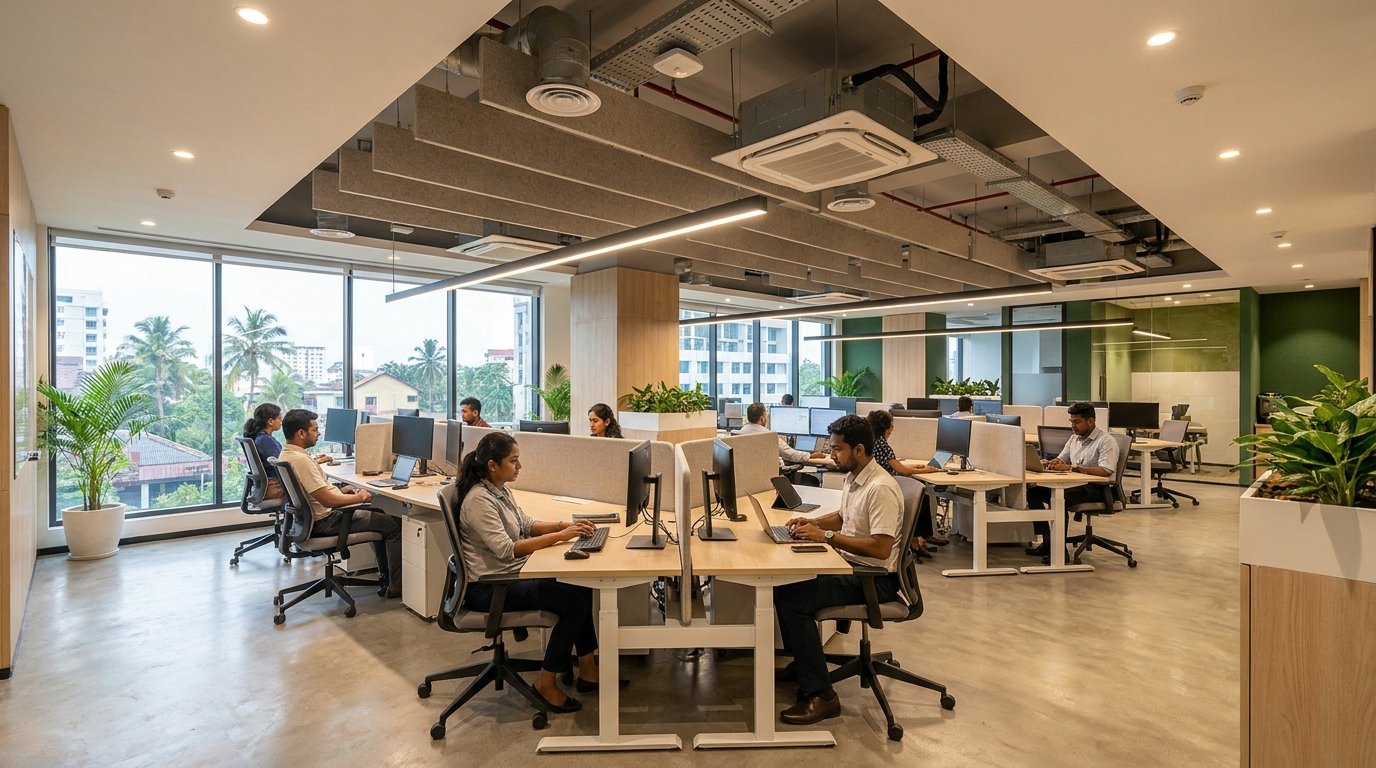
Facilities management is pivotal in ensuring workplace efficiency within the IT sector. By maintaining a clean, organised, and secure environment, it enhances employee focus and reduces unnecessary interruptions. In Sri Lanka, where the IT industry thrives on agility and innovation, facilities management supports seamless operations by providing reliable equipment and infrastructure.
Good facilities management includes routine inspections and maintenance of air conditioning systems, electrical equipment, and plumbing systems. These actions prevent unexpected breakdowns, reducing downtime and ensuring that business operations continue smoothly. For instance, in a high-tech environment like i4T Labs, where precision and reliability are critical, facilities management ensures that every piece of equipment functions optimally.
Preventive Maintenance: A Cornerstone for Productivity
Preventive maintenance is a key strategy in facilities management that significantly contributes to productivity. It involves regular inspections and timely repairs to prevent major issues. This approach not only extends the lifespan of equipment but also mitigates the risk of operational disruptions.
For the IT industry in Sri Lanka, preventive maintenance encompasses checking and servicing advanced technological equipment, ensuring that servers, network systems, and office infrastructure remain fully functional. By preventing potential problems before they arise, companies can avoid costly repairs and minimise disruptions to their daily operations.
Expert Perspective
Senior Facilities Management Consultant
In my experience with facilities management, especially in high-tech sectors like IT, the emphasis on preventive maintenance and employee wellbeing cannot be overstated. The strategic application of these principles directly correlates with improved productivity and efficiency.
Enhancing Employee Wellbeing Through Facilities Management
Employee wellbeing is directly tied to productivity, and facilities management plays a crucial role in this area. Creating a comfortable and healthy work environment with proper ventilation, adequate lighting, and ergonomic seating can significantly reduce stress and fatigue among employees.
In Sri Lanka, companies like i4T Labs understand the importance of maintaining a workspace that supports both physical and mental health. Facilities management ensures that the workplace is not only functional but also a place where employees feel valued and motivated.
The Importance of Hygiene and Cleanliness
Maintaining high hygiene standards is essential for productivity. A clean office environment reduces the spread of illnesses and keeps absenteeism low, ensuring that employees are present and engaged. In the IT industry, where teamwork and collaboration are critical, maintaining cleanliness in meeting rooms, kitchens, and workstations is vital.
Facilities management in Sri Lanka focuses on creating a professional environment that promotes health and safety. This involves regular cleaning schedules, proper waste management, and using safe cleaning products to maintain a hygienic workplace.
Smart Facilities: Integrating Technology for Efficiency
The integration of smart technology in facilities management is transforming workplaces in Sri Lanka. By utilising IoT sensors and smart building technologies, companies can optimise space utilisation and monitor environmental conditions in real-time.
For example, advanced air conditioning systems and smart lighting can be programmed to adjust based on occupancy and daylight, enhancing comfort and reducing energy consumption. Such innovations ensure that facilities management not only supports productivity but also contributes to sustainability efforts.
Frequently Asked Questions
In the IT industry, facilities management ensures that the working environment is conducive to high productivity by maintaining equipment, ensuring safety, and creating a comfortable workspace.
Preventive maintenance boosts productivity by preventing equipment failures, reducing downtime, and ensuring that operations run smoothly without unexpected interruptions.
Hygiene is crucial as it reduces the spread of illness, keeping absenteeism low and ensuring that employees are healthy and able to perform their duties effectively.
Smart technology optimises facilities management by improving space utilisation, monitoring environmental conditions, and enhancing energy efficiency, thereby supporting overall productivity.
Facilities management enhances employee wellbeing by providing a comfortable, healthy environment with good ventilation, lighting, and ergonomic designs, reducing stress and fatigue.