Share this article

Table of Contents

AI vs Human Creativity: Can Artificial Intelligence Replace Photographers?

AI vs Human Creativity: Can Artificial Intelligence Replace Photographers?

Key Takeaways

  • AI enhances photographers’ efficiency but lacks the creative intuition of humans.
  • Human photographers offer emotional depth and storytelling that AI cannot replicate.
  • Legal protections favour human photographers over AI-generated content.
  • Ethical considerations are significant in AI’s use of existing photographic works.

Key Answer

AI enhances but cannot replace the unique human creativity in photography, offering complementary tools while lacking the emotional insight and creative nuances photographers bring.

The debate between AI and human creativity is rapidly gaining momentum, especially in the photography industry. AI vs Human Creativity: Can Artificial Intelligence Replace Photographers? This pressing question challenges the conventional understanding of art, skill, and the human touch in photography. In Australia, where the art of capturing moments is both a profession and a passion, this discourse holds particular significance.

Understanding AI's Role in Photography

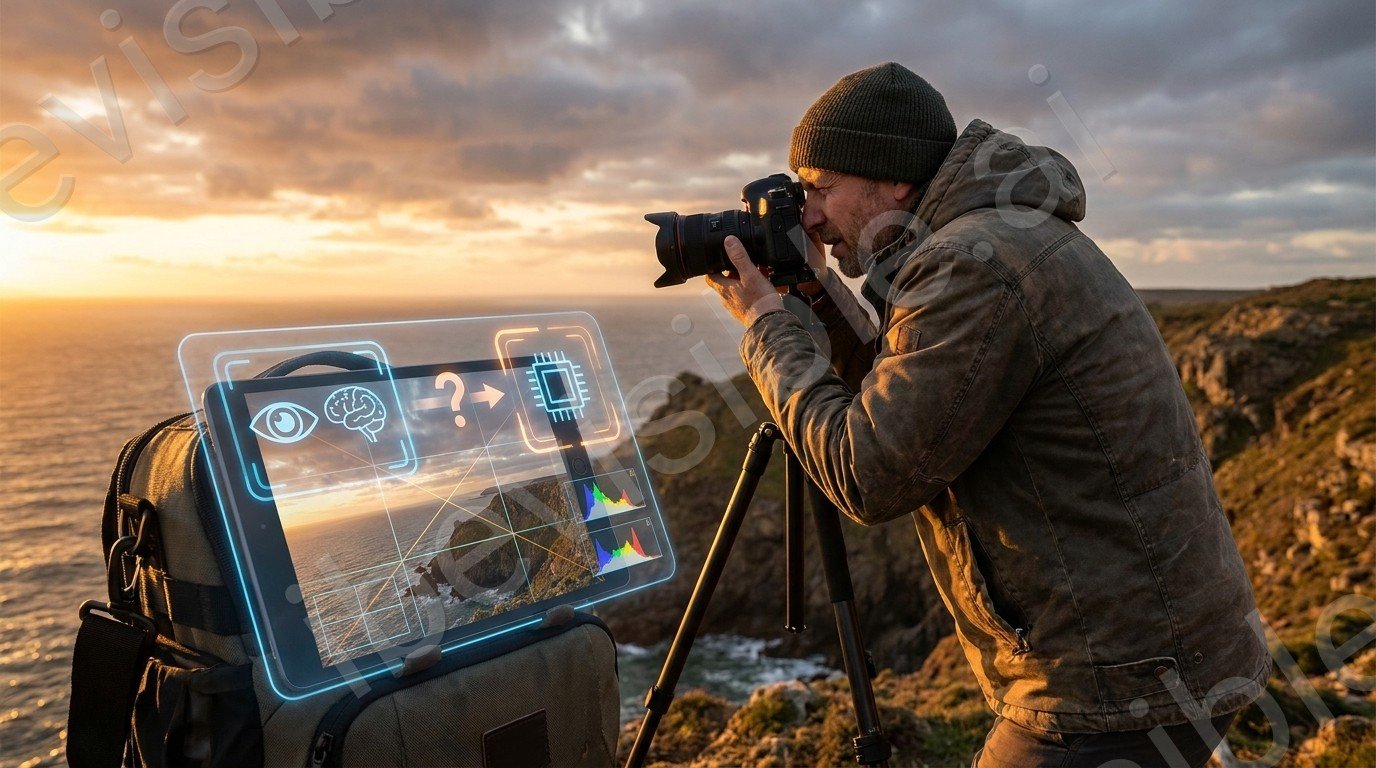
Artificial Intelligence has made its way into various aspects of photography, from improving photo editing to assisting in camera settings. AI-driven software can automate tedious tasks such as sorting and tagging images, which allows photographers to focus on more creative aspects. In Australia, companies are leveraging AI to optimise workflow efficiency, but does this mean AI can replace photographers? Not entirely.

While AI can manage certain technical tasks with precision, it lacks the creative intuition and emotional intelligence that human photographers possess. The capability of AI to analyse patterns and replicate styles is impressive, yet it does not equate to the spontaneous creativity that emerges from human insight. Australian photographers, who often capture the unique landscapes from the Blue Mountains to Bondi Beach, understand the necessity of the human touch in creating compelling images.

The Human Connection and Emotional Resonance

Human photographers provide a connection and direct interaction that AI simply cannot replicate. This connection is crucial, especially in personal and emotional settings such as weddings or family portraits. The ability of photographers to make subjects feel comfortable and capture authentic moments is a skill honed through experience and empathy, not just technical proficiency.

Moreover, a photographer’s eye is capable of perceiving subtleties in lighting, composition, and emotion that AI is not currently equipped to identify. In places like Sydney, where diverse cultures and vibrant street life offer endless stories, human photographers excel at capturing these narratives in a way that feels genuine and impactful.

Expert Perspective

Photography and AI Specialist

The intersection of AI and human creativity in photography presents unique opportunities and challenges. While AI enhances efficiency and aids in certain technical aspects, it lacks the creative and emotional intelligence intrinsic to human photographers. The Australian photography industry, known for its diverse landscapes and cultural richness, thrives on the human touch that AI cannot replicate. Protecting human intellectual property rights and ensuring ethical AI practices remain crucial as technology continues to evolve.

AI's Enhancements in Photographic Practices

While AI may not replace photographers, it certainly enhances their capabilities. AI-powered tools such as Adobe’s Sensei can assist in post-processing by offering suggestions for adjustments that enhance the final output. These tools allow photographers to experiment and push creative boundaries without the constraints of manual editing.

AI can also aid in real-time adjustments during shoots. For example, AI-driven cameras can automatically adjust exposure settings to match changing lighting conditions, ensuring optimal image quality. Such innovations enable photographers to focus more on capturing the perfect shot rather than fiddling with settings, thereby blending technical efficiency with human creativity.

Copyright and Legal Ownership: A Human Advantage

One key area where human photographers maintain an advantage is in copyright and legal ownership. Currently, AI-generated images do not enjoy the same copyright protections afforded to human-created works. This is particularly important for commercial photographers who rely on the legal backing of their intellectual property to protect their work and ensure compensation.

In Australia, this distinction is crucial for photographers who operate in a landscape where intellectual property laws are strictly enforced. Having a human creator behind the lens ensures that the work is both legally protected and ethically sourced, an assurance not offered by AI-generated content.

Why Human Imperfection Matters

Interestingly, the imperfections inherent in human-crafted photography are increasingly being celebrated. Consumers are developing a preference for authenticity, seeking out images that feel real and relatable, a trend noted in reaction to overly polished AI outputs. Human photographers bring a unique flair, a signature style that evolves from personal experiences and artistic vision, qualities that AI cannot replicate.

In an era where authenticity is highly valued, human photographers provide a refreshing alternative to the ‘uncanny valley’ phenomenon associated with AI-generated imagery. This trend is particularly evident in lifestyle and portrait photography, where the connection between photographer and subject is integral to the storytelling process.

Ethical Implications of AI in Photography

The use of AI in photography also raises ethical concerns, particularly regarding how AI models are trained. Many AI systems are built using datasets of existing photographs, often without the photographers’ knowledge or consent. This practice raises questions about the ethical use of creative work and the implications for artists whose works are appropriated by these systems.

In Australia, there is ongoing discussion about implementing stricter regulations to safeguard artists’ rights and ensure fair compensation. This conversation reflects a global concern about how AI is reshaping industries and the measures needed to protect those who contribute to the creative economy.

Frequently Asked Questions

AI can enhance certain aspects of photography, but it lacks the creative and emotional depth that human photographers bring to their work.

AI assists with post-processing, real-time adjustments, and automating repetitive tasks, allowing photographers to focus on creative elements.

Human photographers’ work is protected by copyright laws, unlike AI-generated content, ensuring their creative rights are legally acknowledged.

AI often uses datasets of existing images without consent, raising concerns about the ethical use of creative works and artists’ rights.

People often seek authenticity and emotional depth in photos, qualities more commonly found in human-crafted images than in AI-generated ones.