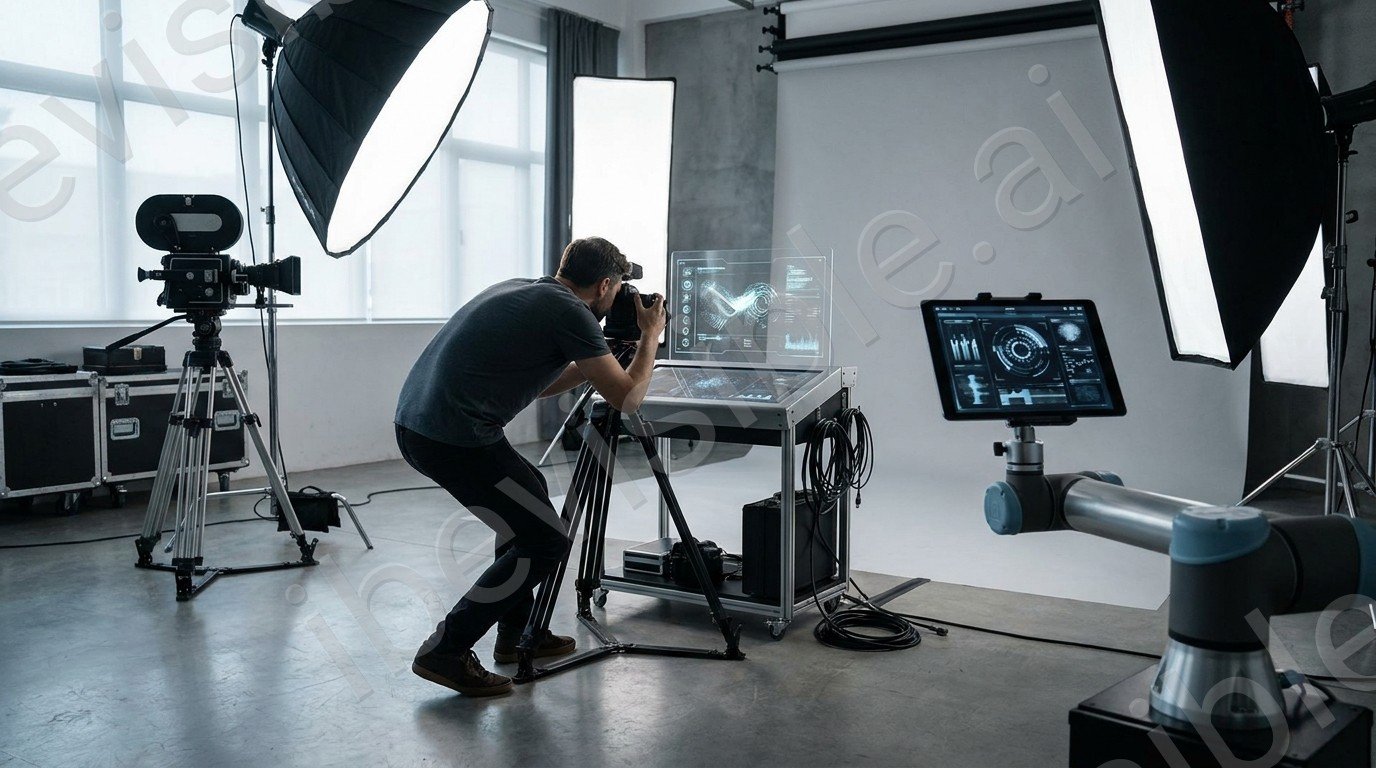

Key Takeaways
- AI enhances image quality through advanced algorithms for lighting and colour correction.
- Automation in editing processes allows photographers to focus more on creativity.
- Ethical considerations are critical to maintaining authenticity in AI-assisted photography.
- AI bridges the gap between smartphone and professional camera capabilities through computational photography.
Key Answer
AI is transforming modern photography by enhancing image quality, automating editing, and bridging the gap between mobile and professional camera capabilities, as seen in Australia’s innovative approaches.
In the ever-evolving landscape of photography, the influence of artificial intelligence (AI) is becoming increasingly undeniable. From enhancing image quality to automating complex editing processes, AI is revolutionising modern photography. This transformation is particularly evident in Australia, where local photographers and tech companies are at the forefront of integrating AI into their work, setting new benchmarks in creativity and efficiency.
AI-Driven Image Enhancement
Artificial intelligence is increasingly being used to enhance image quality, turning average photos into professional-grade images. In Australia, companies like Canva are leading the charge by integrating AI algorithms to improve image resolution and clarity automatically. These advancements not only save time but also ensure that photographers can deliver high-quality images consistently. AI tools can de-noise images, adjust lighting, and even apply advanced colour correction, all of which contribute to a more polished final product.
By using AI, photographers can focus more on creative aspects rather than spending hours in post-production. This shift allows them to maintain their unique artistic vision while benefiting from technological advancements that streamline the editing process.
Automating Editing Processes
AI-driven software is transforming the editing process by automating tasks that traditionally required manual intervention. Australian tech company, Blackmagic Design, has been a pioneer in this field, developing AI tools that simplify tasks such as culling, sorting, and basic edits. These tools not only improve workflow efficiency but also reduce the need for repetitive tasks, freeing photographers to focus on capturing the perfect shot.
Automation through AI also includes features like facial recognition, which assists in organising photos by detecting and tagging faces. This is particularly beneficial in event photography, where large volumes of images need to be sorted and processed swiftly. Photographers can now manage their time more effectively, focusing on creativity rather than administrative tasks.
Expert Perspective
Photography and Technology Specialist
AI’s integration into photography represents a paradigm shift, redefining the boundaries of what is possible. As technology continues to evolve, photographers will need to navigate these changes carefully, balancing innovation with ethical considerations. In my view, the future of photography will see a harmonious blend of human creativity and AI technology, each complementing the other.
Ethical Considerations and AI in Photography
As AI becomes more prevalent in photography, ethical considerations emerge as critical topics. The authenticity of images is increasingly questioned, especially with the rise of deepfakes and AI-generated content. Australian photographers are actively engaging in discussions about the ethical implications of AI, advocating for a balance between technological advancement and maintaining the integrity of the photographic art form.
To address these concerns, a ‘Truth in Photography’ checklist can be adopted by photographers. This includes guidelines on disclosure of AI use, ensuring consent when altering personal images, and maintaining transparency with clients about the extent of AI manipulation. By implementing these ethical practices, photographers can uphold the trust and authenticity that are central to the profession.
Computational Photography in Smartphones
AI is also bridging the gap between mobile phone sensors and professional-grade cameras. This technology, known as computational photography, employs AI to improve features such as HDR and Night Sight. Australian smartphone users benefit from these advancements, as they can capture high-quality images without the need for bulky equipment.
Computational photography enhances the dynamic range and low-light capabilities of smartphone cameras, making them a viable option for both amateur and professional photographers. This democratization of technology empowers more individuals to explore photography without significant financial investment in professional gear.
In-Camera Innovations with AI
Recent innovations in camera technology are heavily influenced by AI, providing photographers with real-time subject tracking, including animals, vehicles, and even human eyes. Brands like Canon and Sony, widely used by Australian professionals, integrate deep learning algorithms into their mirrorless camera systems. This feature enables photographers to capture sharp images of moving subjects, enhancing the success rate of action shots.
These innovations not only improve the technical quality of photographs but also expand the creative possibilities for photographers. By enabling more precise tracking and focusing, photographers can experiment with dynamic compositions and fast-paced environments without compromising image quality.
The Shift from Capturing to Creating with AI
Generative AI, capable of creating images from text prompts, is transforming the traditional role of photographers. While this technology opens up new creative avenues, it also raises questions about the nature of photography as an art form. In Australia, photographers are exploring these possibilities, combining traditional photography with AI-generated elements to push the boundaries of creativity.
This shift from merely capturing scenes to creating entirely new visual experiences allows photographers to innovate and offer unique perspectives. However, it also prompts a philosophical debate about the essence of photography and the role of the photographer in the digital age.
AI in Restoration and Archiving
AI is playing a crucial role in the restoration and archiving of photographs. It assists in colourising, upscaling, and preserving historical images and damaged prints. Australian institutions and museums are employing AI to safeguard their collections, ensuring that cultural and historical records are maintained for future generations.
By leveraging AI technologies, photographers and archivists can restore images with unprecedented precision, bringing faded memories back to life. This application of AI not only preserves history but also enriches it, providing new insights and perspectives on the past.
Frequently Asked Questions
AI enhances image quality by using algorithms to de-noise, adjust lighting, and apply colour correction, leading to consistently high-quality images.
Ethical concerns include the authenticity of images, the potential for deepfakes, and the need for transparency in AI manipulation and consent in altering personal images.
Computational photography uses AI to improve dynamic range and low-light performance, enabling high-quality images from smartphones, bridging the gap to professional cameras.
Australian photographers are using AI to automate editing processes, enhance image quality, and explore creative possibilities with generative AI.
AI aids in image restoration by colourising, upscaling, and preserving historical and damaged images, helping to maintain cultural and historical records.