Key Takeaways
- AI technology is pivotal in transforming video creation by automating processes and enhancing creative workflows.
- Ethical and legal considerations are crucial in AI video creation to maintain trust and integrity.
- Integration of AI into existing workflows boosts efficiency and creativity, especially for SMEs.
- Future AI developments will likely focus on ethical use and the fusion with VR and AR for immersive experiences.
Key Answer
Discover how AI is revolutionising video creation by automating processes, enhancing creativity, and ensuring efficient content production while maintaining ethical standards.
In today’s fast-paced digital world, understanding how we can use AI for video creation is more than a trend; it’s a transformative approach that reshapes the landscape of content production. With AI technology, video creation becomes not only more efficient but also more innovative, pushing the boundaries of what’s possible in storytelling and visualisation.
Why AI is Revolutionising Video Creation
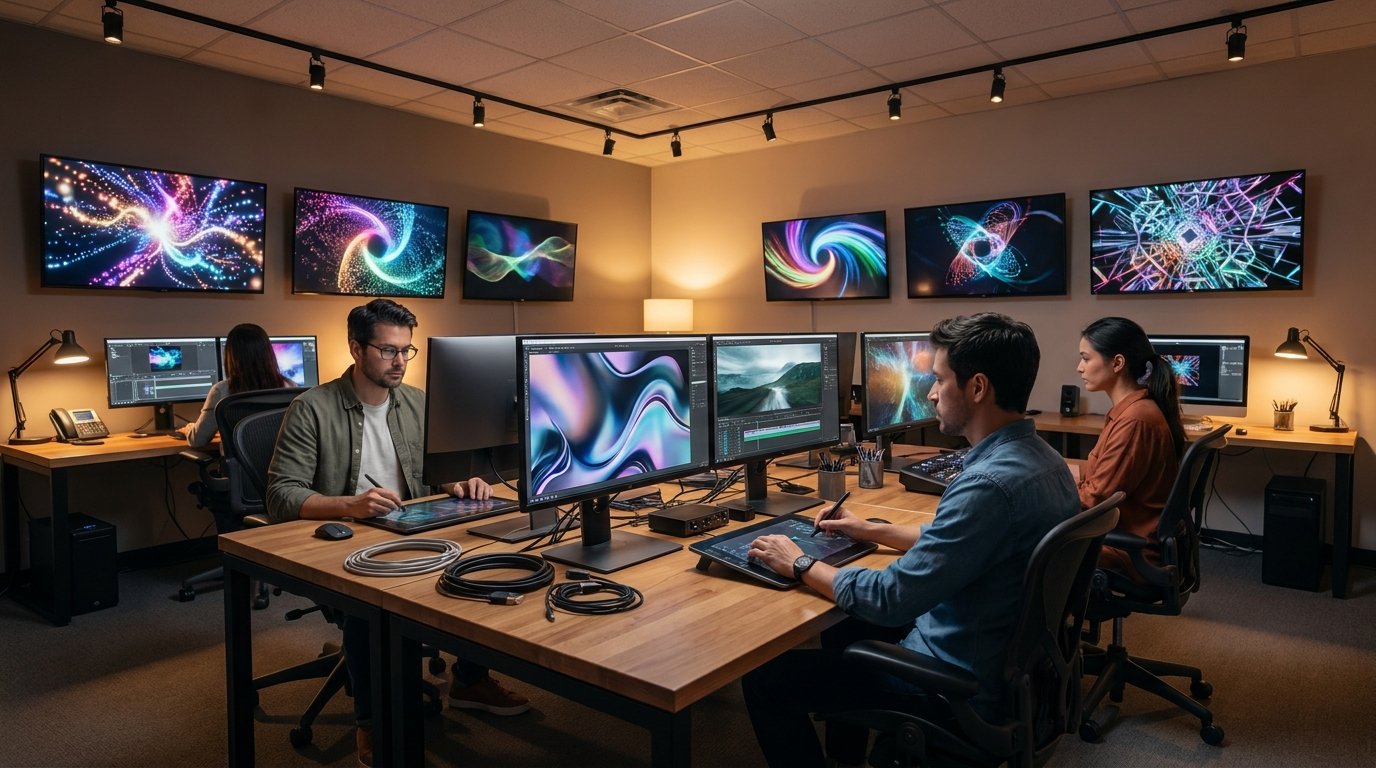
AI technology is dramatically transforming the video creation industry. By automating mundane tasks, AI frees up creative minds to focus on innovation. Tools like Adobe Firefly and Canva are paving the way with AI video generators that allow creators to convert text prompts into stunning visuals. This capacity not only accelerates production time but also reduces costs, making professional video creation accessible to smaller teams and independent creators.
Moreover, AI’s role in video creation extends beyond just production. It offers real-time analytics and feedback, enabling creators to understand audience preferences and trends. Such insights ensure that content is not only visually captivating but also engaging and relevant. This dual approach of creativity and data-driven decisions exemplifies why AI is a game-changer in video production.
Building a Comprehensive Video Production Pipeline with AI
Constructing a video production pipeline that integrates AI effectively involves several key stages. Firstly, AI tools like ChatGPT can be employed for scriptwriting, ensuring the narrative is compelling and well-structured. Following script development, tools such as Runway Gen-3 facilitate automated editing, allowing for seamless transitions and effects with minimal manual input.
In the rendering phase, AI can optimise resource allocation, choosing between local computing power or cloud-based solutions depending on the project’s scale. AI’s ability to dynamically assess and allocate resources ensures that the production pipeline remains efficient and cost-effective.
For post-production, AI offers innovative features like auto-tagging, scene detection, and even sentiment analysis, which can significantly enhance the editing process. These capabilities allow creators to produce content that is not only polished but also strategically aligned with viewer expectations.
Expert Perspective
AI Video Production Specialist
The utilisation of AI in video creation marks a significant evolution in the industry. While AI tools greatly enhance production efficiency and creativity, the core of storytelling remains inherently human. As AI continues to advance, creators must balance technological innovation with ethical integrity to maintain authenticity and audience trust.
Ethical and Legal Considerations in AI Video Creation
While AI offers remarkable capabilities, ethical considerations must not be overlooked. The use of AI in video creation raises questions regarding copyright and commercial rights. Creators must ensure they have the legal rights to utilise AI-generated content, particularly when distributed on platforms like YouTube or Vimeo.
According to our AI policy, transparent disclosure of AI-generated content is essential. This transparency builds trust and ensures adherence to ethical standards. Additionally, understanding the implications of deepfakes and algorithmic biases is crucial for maintaining the integrity and authenticity of video content.
Furthermore, creators should consider the environmental impact of AI tools. While cloud-based solutions can be resource-efficient, they also contribute to energy consumption. Balancing creativity with sustainability is a modern challenge that requires thoughtful consideration.
Integration of AI into Existing Workflows
Integrating AI into existing workflows requires strategic planning. For small to medium enterprises (SMEs), AI can be a catalyst for operational efficiency. It automates repetitive tasks, such as editing, allowing teams to focus on creativity and strategic development. According to our insights on how AI enhances business operations, leveraging AI can lead to increased productivity and reduced operational costs.
To effectively integrate AI, organisations must assess their current workflows and identify areas where AI can add the most value. Implementing AI shouldn’t be about replacing human talent but rather about augmenting it, enabling teams to achieve more with less.
Training and development are also crucial. Team members need to understand how AI tools function and how they can be used to complement their skills. This understanding not only boosts morale but also drives innovation, positioning businesses at the forefront of the industry.
The Future of AI in Video Creation
As AI continues to evolve, its potential in video creation is boundless. Future advancements may include more sophisticated AI models capable of generating hyper-realistic content that blurs the lines between reality and digital creation. Such innovations will likely lead to entirely new genres of video content and storytelling methods.
Moreover, the integration of AI with virtual and augmented reality (VR and AR) promises to revolutionise audience engagement. By creating immersive experiences, AI will redefine how audiences interact with video content, making it more personal and impactful.
The ongoing development of AI technologies will also focus on ethical AI, ensuring that future tools are designed with privacy, transparency, and equity in mind. These principles will be critical as AI becomes increasingly central to creative industries.
Frequently Asked Questions
AI improves video creation by automating production processes, providing real-time analytics, and enabling creators to produce high-quality, engaging content efficiently.
Ethical concerns include copyright issues, the need for transparency in AI-generated content, and the potential for deepfakes and algorithmic biases.
SMEs can integrate AI by automating routine tasks, enhancing strategic development, and providing training on AI tools to augment human skills.
The future of AI in video creation includes advancements in hyper-realistic content generation, integration with VR and AR, and a focus on ethical AI.
AI cannot replace human creativity but can augment it by providing tools that enhance and streamline the creative process.