
Key Takeaways
Architecture is becoming increasingly integral to modern software development, influencing design and efficiency.
Australian architectural projects are pioneering the use of programming to enhance sustainability.
AI and machine learning are transforming architectural design processes, promoting innovation.
Key Answer
Architecture and programming are converging, with architectural principles increasingly influencing software development. This fusion is driving innovation in design and technology, notably in Australia, where sustainable architectural projects are setting new benchmarks.
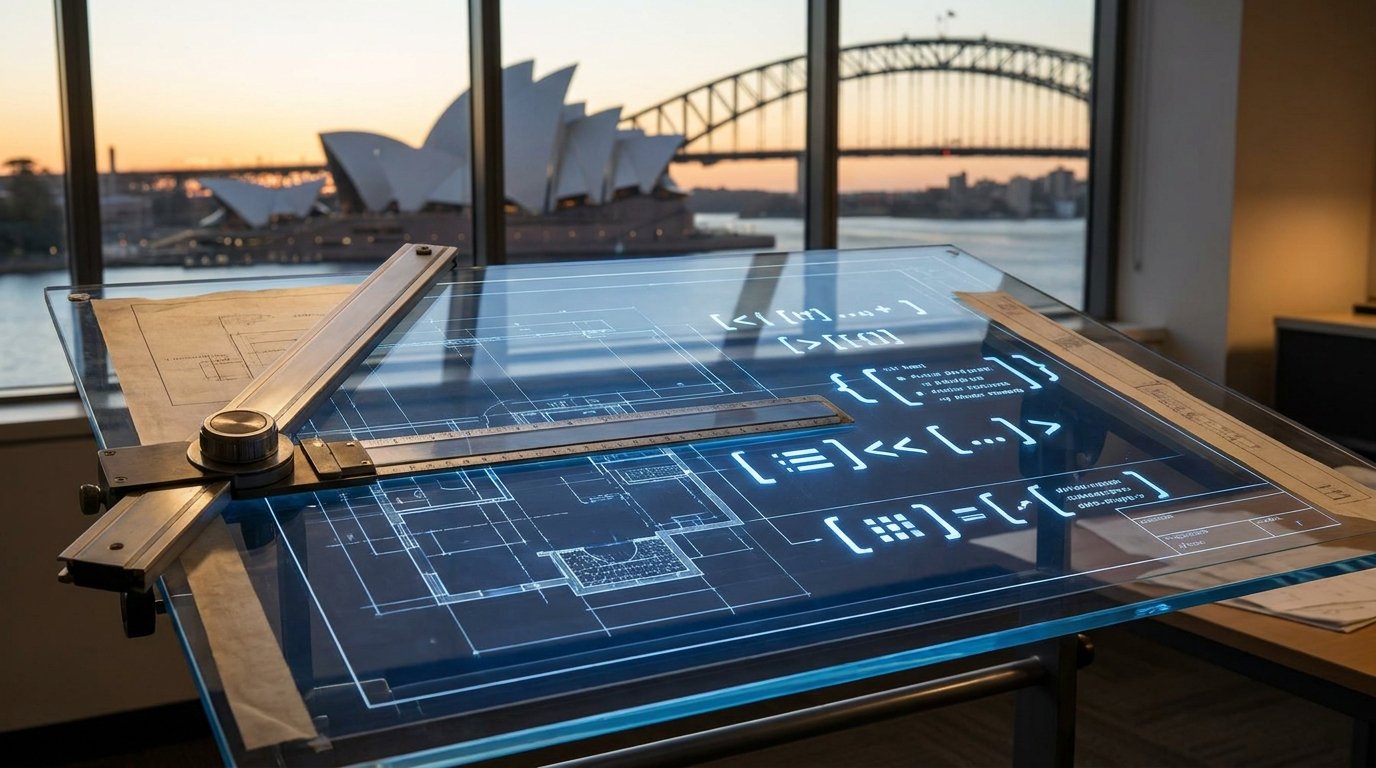
In Episode 6 — Why Architecture Is the New Programming, the intricate relationship between architecture and software development is explored, highlighting how architectural principles are reshaping modern programming practices. As technology continues to advance, the lines between these disciplines blur, leading to innovative solutions and sustainable designs.
The Convergence of Architecture and Software Development
Architecture and software development have traditionally been seen as separate disciplines. However, recent advancements in technology are bridging this gap, leading to a more integrated approach. Architectural design principles, such as modularity and scalability, are now being applied to software development. This evolution is especially evident in Australia, where designers are adopting programming techniques to enhance sustainability and efficiency in their projects.
Aspect | Architecture | Software Development |
|---|---|---|
Modularity | Prefabricated building components | Reusable code libraries |
Scalability | Expandable infrastructure | Cloud-based solutions |
Sustainability | Eco-friendly materials | Energy-efficient algorithms |
Innovative Architectural Projects in Australia
Australia is at the forefront of integrating architecture with programming, leading to groundbreaking projects. For instance, the Barangaroo development in Sydney showcases how digital tools and algorithms were utilised to maximise the environmental efficiency of the structures. Similarly, the One Central Park building uses advanced programming models to manage its vertical gardens, ensuring optimal growth and minimal resource consumption.
These projects illustrate the practical application of programming in architecture, demonstrating how digital solutions can enhance traditional building practices to meet modern demands for sustainability and efficiency.
Expert Perspective
Architectural Analyst
As the lines between architecture and programming blur, it is essential for professionals in both fields to adapt and embrace interdisciplinary collaboration. This shift is driving a new wave of innovation that promises to redefine industry standards and expectations.
Impact of AI and Machine Learning in Design
AI and machine learning are revolutionising the architectural landscape by enabling more precise and efficient design processes. In Australia, these technologies are employed to analyse data and predict outcomes, allowing architects to design buildings that not only meet aesthetic standards but also address environmental concerns.
The integration of AI in architectural design streamlines the development process by automating routine tasks and facilitating advanced simulations. This innovation is not only transforming how architects approach design but also challenging programmers to develop more sophisticated tools to support this shift.
The Role of Sustainable Design in Modern Architecture
Sustainability is a core principle in both architecture and programming, aiming to reduce environmental impact while maintaining efficiency. Australian architects are leading the charge by utilising software to simulate environmental impact and optimise resource usage. For example, the sustainable initiatives in the Green Square redevelopment project leverage programming for effective water management and energy conservation.
As architects and developers continue to collaborate, the exchange of ideas and technologies fosters innovative solutions that align with global sustainability goals. This synergy highlights the importance of interdisciplinary approaches in addressing the challenges of modern urban development.
Project | Sustainability Feature | Programming Tool |
|---|---|---|
Barangaroo | Energy-efficient design | Environmental simulation software |
One Central Park | Vertical gardens | Growth optimisation algorithms |
Green Square | Water management | Resource allocation software |
The Future: Bridging Disciplines for Innovation
The future of architecture and programming lies in their convergence, paving the way for innovations that address both technical and environmental challenges. In Australia, this trend is exemplified by educational initiatives that encourage the fusion of architectural and programming skills, preparing future professionals for an increasingly interdisciplinary field.
By continuing to bridge these disciplines, architects and programmers can collaboratively develop solutions that are not only innovative but also sustainable, setting a precedent for global practices. This synergy promises to redefine the boundaries of what is possible in both architecture and technology.
Frequently Asked Questions
Programming influences modern architecture by providing tools for simulation, optimisation, and sustainable design, allowing architects to create more efficient and innovative structures.
Projects like Barangaroo and One Central Park utilise programming for environmental efficiency and innovative design solutions.
AI enhances architectural design by automating tasks, facilitating advanced simulations, and enabling data-driven decision-making for sustainability.
Sustainability in architecture aims to reduce environmental impact, improve resource efficiency, and ensure long-term viability of structures, often aided by programming tools.
Integrating architecture and programming is crucial for creating innovative, efficient, and sustainable designs that meet modern demands.