
Share this article

Table of Contents

The Ultimate Beginner's Guide to Photography: Everything You Need to Know

The Ultimate Beginner’s Guide to Photography: Everything You Need to Know

Key Takeaways

  • Choosing the right camera, whether it be compact, DSLR, or mirrorless, is essential for starting photography.
  • Essential gear, including a tripod and versatile lens, enhances the photography experience.
  • Mastering the exposure triangle, composition, and lighting can significantly improve photo quality.
  • Post-processing allows photographers to adjust and enhance their images, aligning with their creative vision.

Key Answer

Discover essential tips and techniques in ‘The Ultimate Beginner’s Guide to Photography: Everything You Need to Know’. Master camera types, essential gear, and basic techniques to start capturing stunning images.

Photography is an art form that captures the imagination, telling stories without a single word. For beginners eager to dive into this creative world, understanding the fundamentals is crucial. In ‘The Ultimate Beginner’s Guide to Photography: Everything You Need to Know’, aspiring photographers will gain insights into camera types, essential gear, and techniques to enhance their skills. Whether capturing the vibrant wildlife of Kakadu National Park or the bustling streets of Sydney, this guide is designed to inspire and inform.

Choosing the Right Camera

Selecting the right camera is the first step in any photographer’s journey. In Australia, where the landscapes range from urban skylines to rugged outback terrains, the choice of camera can significantly influence the quality of photos. Broadly, cameras fall into three categories: compact, DSLR, and mirrorless.

Compact cameras are great for everyday use due to their portability and ease of use. However, for those looking to explore more complex photography, DSLRs and mirrorless cameras offer greater flexibility and control. A DSLR, known for its optical viewfinder and extensive lens options, is ideal for capturing detailed scenes. In contrast, mirrorless cameras, which are lighter and offer digital viewfinders, appeal to those prioritising portability without sacrificing quality.

Camera Type Pros Cons
Compact Portable, user-friendly Limited manual settings
DSLR High image quality, versatile lenses Bulkier, learning curve
Mirrorless Lightweight, advanced features Battery consumption, lens availability

Essential Photography Gear

Beyond the camera, having the right gear can enhance a beginner’s photography experience. Essential items include a sturdy tripod, a versatile lens, and a reliable camera bag. In Australia, a UV filter is particularly useful for protecting the lens and cutting through the harsh sunlight common in coastal areas.

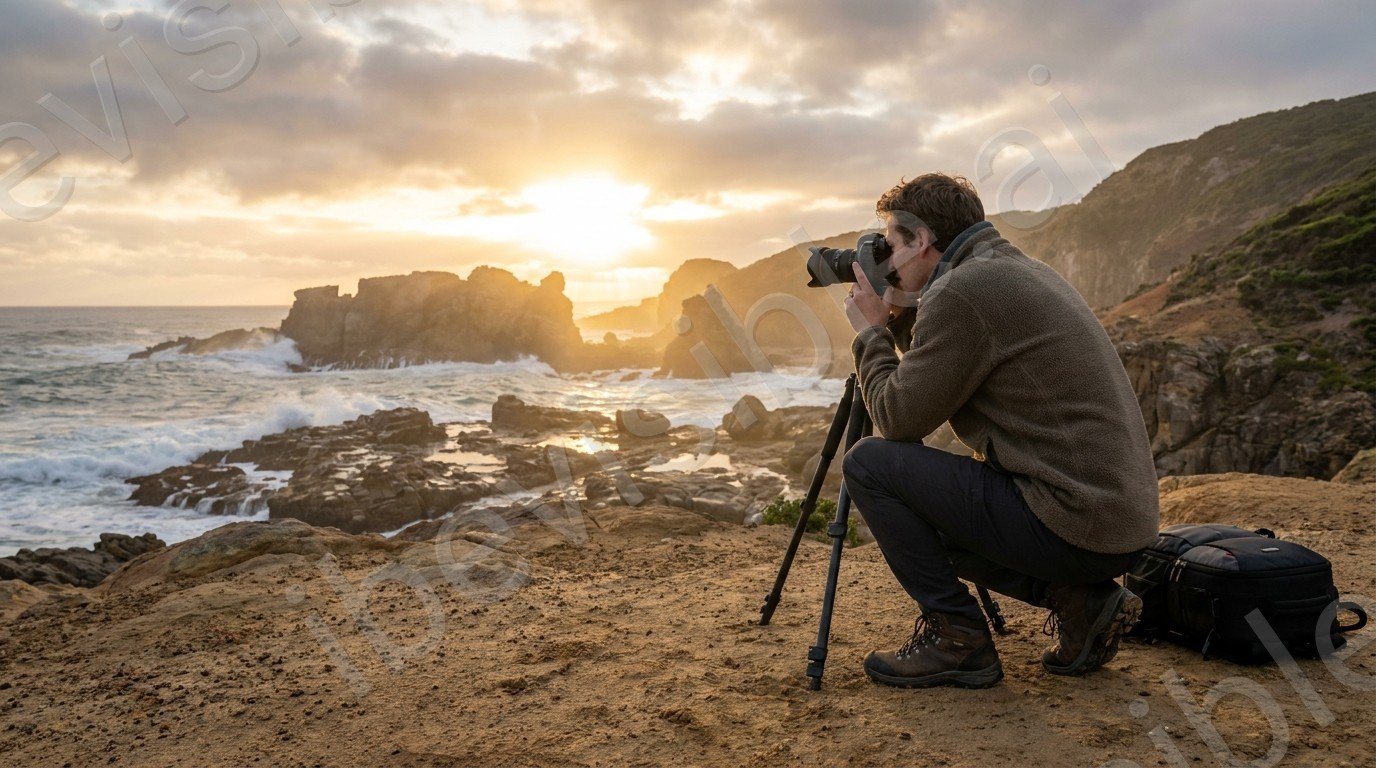
A tripod stabilises the camera, essential for capturing those breathtaking sunset shots at Bondi Beach. A versatile lens, such as a 24-70mm zoom lens, covers a wide range of shooting scenarios, making it ideal for everything from portraits to landscapes. Lastly, a reliable camera bag helps in safely transporting gear, especially during travels to photogenic spots like the Great Ocean Road.

Expert Perspective

Photography Instructor

In my years as a photography instructor, I’ve found that the most successful beginners are those who remain curious and continue to experiment. Photography is not just about capturing what is seen, but also about expressing a unique perspective.

Mastering Basic Photography Techniques

Understanding basic photography techniques can transform ordinary snapshots into extraordinary images. Three fundamental concepts include the exposure triangle, composition, and lighting.

The exposure triangle consists of aperture, shutter speed, and ISO. Mastering these settings allows photographers to control the amount of light reaching the camera sensor. For instance, adjusting the aperture influences depth of field, ideal for isolating a subject against a blurred background.

Composition techniques like the rule of thirds and leading lines guide the viewer’s eye through the image, creating balanced and engaging photos. Meanwhile, utilising natural lighting effectively–such as capturing the golden hour light–enhances the mood and tone of the image.

Understanding Post-Processing

Post-processing is where photographers can refine their images to match their creative vision. In today’s digital age, software like Adobe Lightroom and Photoshop are indispensable tools for editing.

Editing involves adjusting elements such as contrast, brightness, and colour balance. It’s also an opportunity to correct any exposure mishaps that might have occurred during shooting. Beginners should start by familiarising themselves with RAW and JPEG formats. RAW files offer greater flexibility in editing but require more storage, whereas JPEGs are more convenient for quick edits and sharing.

In Australia, taking a digital photography course can further enhance skills, offering hands-on experience with post-processing tools.

First Steps in Your Photography Journey

Embarking on a photography journey is as much about practising as it is about learning. For beginners, setting specific goals can be beneficial. For example, dedicating the first week to experimenting with different camera settings and techniques can build confidence.

A practical assignment might involve capturing the vibrant flora and fauna in a local park, or documenting the dynamics of a bustling farmer’s market. Sharing these images with a community, like a local photography club, provides valuable feedback and encouragement.

Frequently Asked Questions

For beginners, a mirrorless camera offers a great balance of advanced features and ease of use, making it an excellent choice for those new to photography.

Post-processing is crucial as it allows photographers to enhance and correct images, ensuring the final product aligns with their creative vision.

The exposure triangle refers to the relationship between aperture, shutter speed, and ISO, which together control the exposure and quality of an image.

Composition is key to creating visually appealing images as it guides the viewer’s eye through the photo, highlighting important elements.

Practicing regularly, experimenting with different techniques, and seeking feedback from photography communities can rapidly improve skills.