
Key Takeaways
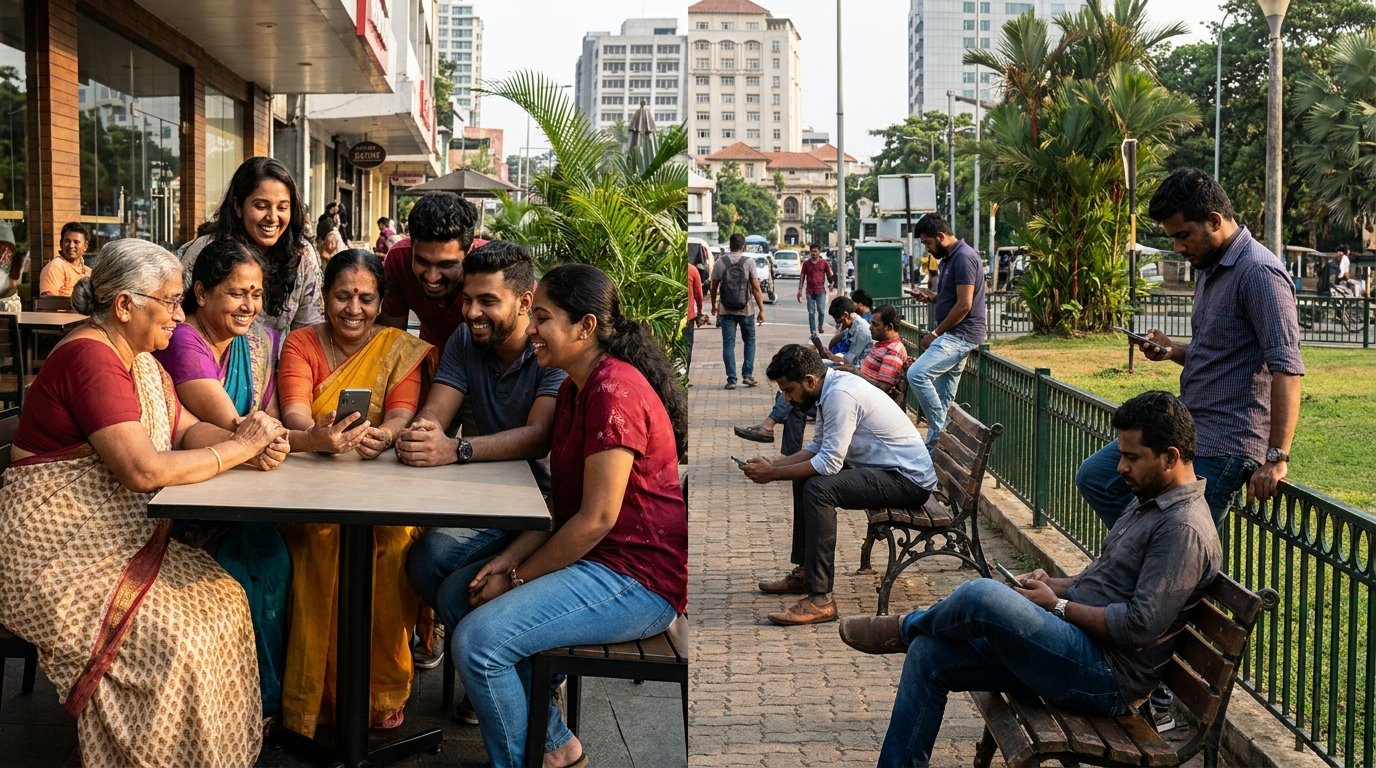
- Social media enhances communication and business in Sri Lanka but also presents privacy and misinformation challenges.
- Educational opportunities are amplified through e-learning, while cyberbullying remains a critical risk.
- Balancing social media’s benefits and risks requires setting privacy controls and practicing digital literacy.
Key Answer
Social media in Sri Lanka offers significant benefits in communication and business, but also poses risks like misinformation and privacy concerns.
Social media has revolutionised communication and information sharing across the globe, including in Sri Lanka. However, with these advancements come both benefits and risks that need careful consideration.
What Is Social Media?
Social media platforms are online services that enable users to create and share content or to participate in social networking. In Sri Lanka, these platforms include Facebook, Instagram, Twitter, and TikTok, which have become integral to daily life for both personal and professional interactions.
Benefits of Social Media
In Sri Lanka, social media is a vital tool for communication. It enhances connectivity, allowing people to keep in touch with family and friends locally and abroad. Platforms such as WhatsApp and Facebook Messenger are frequently used for this purpose.
Social media also provides unprecedented access to information. It acts as a platform for news distribution and public awareness, which can be particularly beneficial during times of crisis, such as natural disasters.
Educational opportunities have expanded through social media. It facilitates e-learning and access to educational resources, empowering both students and educators to interact beyond traditional classroom boundaries.
Businesses and marketers in Sri Lanka leverage social media to reach broader audiences. Platforms like Instagram and LinkedIn are used for brand promotion and professional networking, helping businesses to grow and innovate in a competitive market.
Communities are built and strengthened through social media. Groups formed around common interests allow for cultural exchanges and support networks, enriching societal bonds in Sri Lanka.
| Benefits | Description | Examples in Sri Lanka |
|---|---|---|
| Improved Communication | Facilitates keeping in touch with others. | WhatsApp, Facebook Messenger |
| Access to Information | Instant news updates and crisis information. | Twitter news feeds |
| Educational Opportunities | E-learning platforms and resources. | Online courses through Facebook groups |
| Business and Marketing | Brand promotion and consumer engagement. | Instagram brand pages |
| Building Communities | Cultural exchange and support networks. | Local Facebook interest groups |
Expert Perspective
Digital Media Expert
As social media continues to permeate daily life in Sri Lanka, it is crucial for users to engage with these platforms thoughtfully. Leveraging their benefits while mitigating risks can transform social media into a powerful tool for personal growth and societal development.
Risks of Social Media
While social media brings numerous benefits, it also presents significant risks, particularly concerning privacy and security. Users in Sri Lanka face challenges with data breaches and identity theft, as platforms often collect personal data for targeted advertising.
Cyberbullying and online harassment are severe issues, affecting users of all ages but particularly prevalent among teenagers. The anonymity afforded by social media can embolden negative behaviour that impacts mental health.
Social media addiction is increasingly becoming a concern in Sri Lanka. Excessive screen time can lead to reduced physical activity and disrupted sleep patterns, affecting overall health and wellbeing.
The spread of misinformation is another critical risk. With the rapid dissemination of information, users can be exposed to fake news, which can influence public opinion and lead to societal discord.
Finally, social media usage can result in various mental health challenges, such as anxiety and depression, stemming from cyberbullying, comparison with others, or information overload.
| Risks | Description | Impact in Sri Lanka |
|---|---|---|
| Privacy Concerns | Data breaches and identity theft. | Increased vulnerability to scams. |
| Cyberbullying | Harassment and negative behaviour online. | Emotional distress in teens. |
| Addiction | Excessive usage leading to health issues. | Sleep disruption and reduced activity. |
| Misinformation | Spread of fake news and falsehoods. | Public opinion manipulation. |
| Mental Health Challenges | Anxiety and depression from online interactions. | Increased cases of mental distress. |
How to Use Social Media Responsibly
Balancing the benefits and risks of social media requires responsible usage. Users in Sri Lanka are encouraged to set privacy settings diligently to protect their data. Understanding platform algorithms can help mitigate exposure to potentially harmful content.
Practicing digital literacy is crucial to combat misinformation. Users should verify information from multiple sources before accepting it as true, thus reducing the spread of false information.
Parents and educators have a role in guiding younger users toward responsible social media habits, emphasising the importance of balance and critical thinking when engaging with digital content.
The Future of Social Media
The future of social media in Sri Lanka holds potential for greater integration with everyday life, possibly enhancing local business operations and providing more personalised user experiences. However, it also calls for improved regulation and user awareness to address the existing and emerging challenges effectively.
With continuous advancements in technology, the landscape of social media is likely to evolve, emphasising the need for ongoing education and adaptability among users.
Frequently Asked Questions
Social media in Sri Lanka primarily benefits communication, access to information, educational opportunities, business marketing, and community building.
Social media can negatively affect mental health by contributing to anxiety, depression, and stress due to cyberbullying, comparison, and misinformation.
By setting strict privacy settings, practicing digital literacy to verify information, and fostering a balanced approach to usage, Sri Lankans can use social media responsibly.
Social media can risk user privacy through data breaches and identity theft, leading to increased vulnerability to scams.
Misinformation can be tackled by verifying news from multiple sources and practicing digital literacy, reducing the spread of false content.