
Key Takeaways
- Face-to-face interaction is crucial for understanding complex subjects and is challenging to replicate online.
- Technical issues and internet access are significant barriers to effective online learning in Sri Lanka.
- Motivation and time management are critical for success in digital education environments.
- Screen fatigue and the lack of hands-on learning opportunities are health and educational concerns.
Key Answer
Online learning in Sri Lanka faces challenges such as limited face-to-face interaction, internet issues, motivation difficulties, and digital accessibility. Addressing these can improve educational outcomes.
The advent of online learning has revolutionised education, offering unprecedented access and flexibility. However, it has introduced a myriad of challenges that impact students and educators alike. In Sri Lanka, these challenges are further compounded by varying levels of access to digital tools and stable internet connectivity, cultural nuances, and economic factors. Understanding these hurdles is crucial to devising effective strategies that can enhance the learning experience.
Limited Face-to-Face Interaction
One of the primary challenges of online learning is the lack of direct personal engagement that traditional classrooms offer. Students often miss the nuances of face-to-face communication which helps in understanding complex concepts through immediate feedback and discussion. In Sri Lanka, where group learning and community engagement are pivotal, this absence can be particularly detrimental. Educators need to employ alternative strategies such as virtual breakout rooms and interactive sessions to mitigate these issues.
Internet and Technical Issues
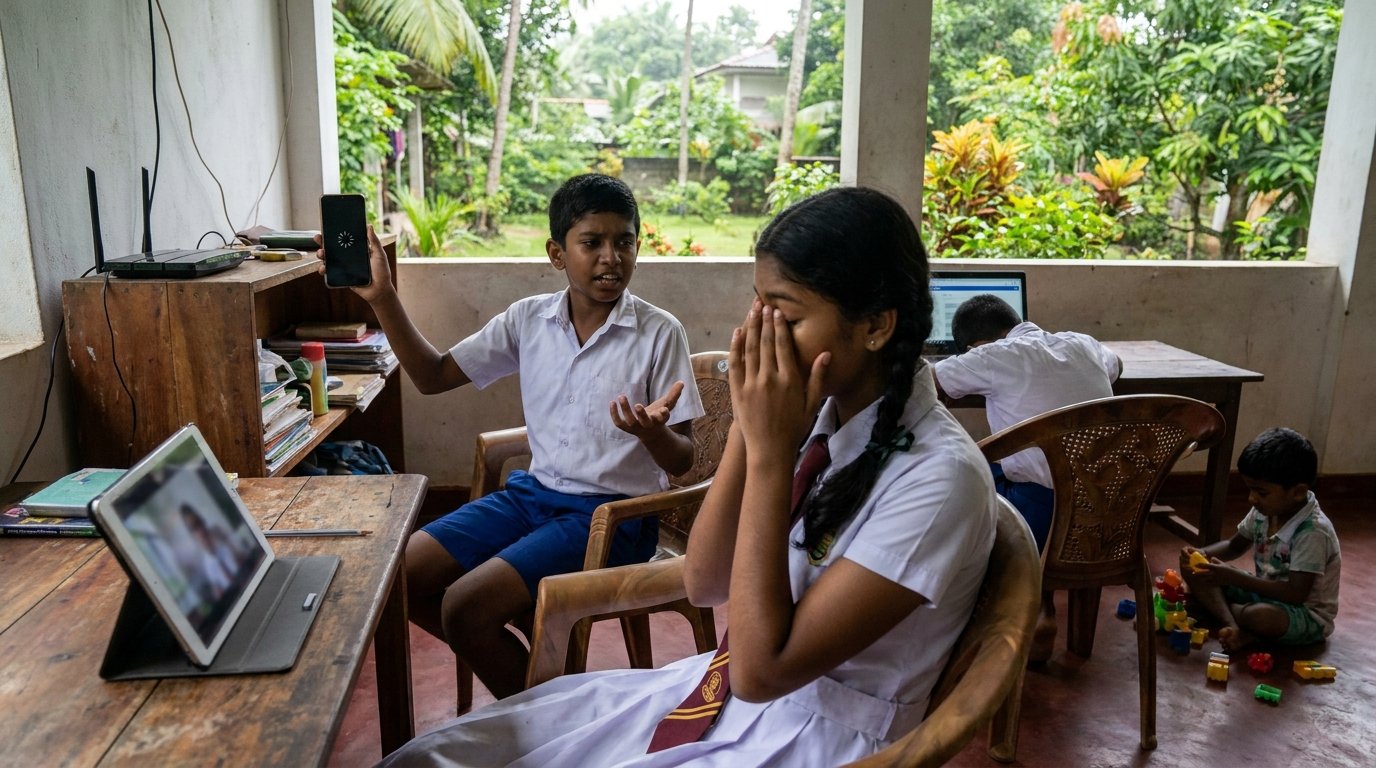
Reliable internet access is the backbone of effective online learning. However, many regions in Sri Lanka still suffer from inconsistent connectivity, hindering students’ ability to participate fully in digital classes. Technical glitches can disrupt the learning process, leading to frustration and decreased engagement. Solutions include investing in better infrastructure and providing mobile data plans tailored to students’ needs to ensure continuous learning.
Expert Perspective
Educational Strategist
In navigating the challenges of online learning, Sri Lankan educators must consider the unique socio-economic and cultural context. Embracing local solutions, such as community-driven support systems and government-backed digital literacy programs, can significantly ameliorate these challenges. As an educational strategist, I believe the key lies in integrating technology with traditional learning frameworks, ensuring no student is left behind.
Difficulty Staying Motivated
Online learning requires a high degree of self-motivation and discipline. Without the structured environment of a physical classroom, students may find it challenging to remain focused. This issue is exacerbated by distractions at home and a lack of direct supervision. To counter this, creating structured schedules and utilising goal-setting techniques can help maintain student motivation.
Time Management Challenges
Balancing study, work, and personal life can be challenging for students engaged in online learning. Time management is a critical skill that many students struggle with. In Sri Lanka, students may also be required to contribute to household responsibilities, further complicating their schedules. Tools like digital planners and time-tracking apps can aid in better organisation and prioritisation of tasks.
Home Distractions
The home environment is rife with potential distractions, from family obligations to social media interruptions. In the context of Sri Lanka, where extended families often live together, finding a quiet space for study can be particularly difficult. Establishing a designated study area and clear boundaries with family members can help reduce these distractions.
Lack of Hands-On Learning
Practical, hands-on experiences are a vital component of learning, especially in fields like science and engineering. Online platforms struggle to replicate laboratory environments and direct interactions with physical materials. Partnerships with local educational institutions to offer limited in-person sessions could bridge this gap and provide necessary practical experience to students in Sri Lanka.
Screen Fatigue and Health Concerns
Extended screen time can lead to physical discomfort and health issues, including eye strain and headaches. This is a significant concern for students engaged in prolonged online learning sessions. Encouraging regular breaks, promoting ergonomically sound study spaces, and educating students on eye exercises can mitigate these health concerns.
Digital Divide and Accessibility
The digital divide refers to the gap between those who have easy access to digital technology and those who do not. In Sri Lanka, economic disparities contribute to unequal access to online learning resources. Initiatives to provide affordable devices and subsidised internet access can play a crucial role in bridging this gap and promoting equitable educational opportunities.
Assessment and Academic Integrity
Maintaining academic integrity is a challenge with online assessments. The potential for dishonest practices can undermine the credibility of online education. Implementing robust assessment methods that incorporate technology like AI-driven proctoring and diversified question formats can enhance integrity and ensure that assessments accurately reflect student knowledge.
Overcoming Online Learning Challenges
Despite these challenges, solutions are within reach. By adopting flexible and adaptive learning models, enhancing digital infrastructure, and fostering supportive learning environments, Sri Lanka can overcome the hurdles of online education. Educational stakeholders must collaborate to develop innovative strategies that cater to the diverse needs of learners, ensuring that online learning is not only accessible but also effective.
Frequently Asked Questions
The main technical challenges include inconsistent internet connectivity, lack of access to digital devices, and frequent technical glitches that disrupt learning.
Students can overcome motivation issues by setting clear goals, creating structured schedules, and utilising digital tools to stay organised.
The digital divide is the gap between individuals who have access to modern digital technology and those who do not. It affects online learning by limiting educational resources for economically disadvantaged students.
Academic integrity can be maintained by using AI-driven proctoring tools, diversified assessment formats, and reinforcing ethical guidelines among students.
Strategies include creating a designated study space, setting clear boundaries with family members, and minimising social media use during study hours.