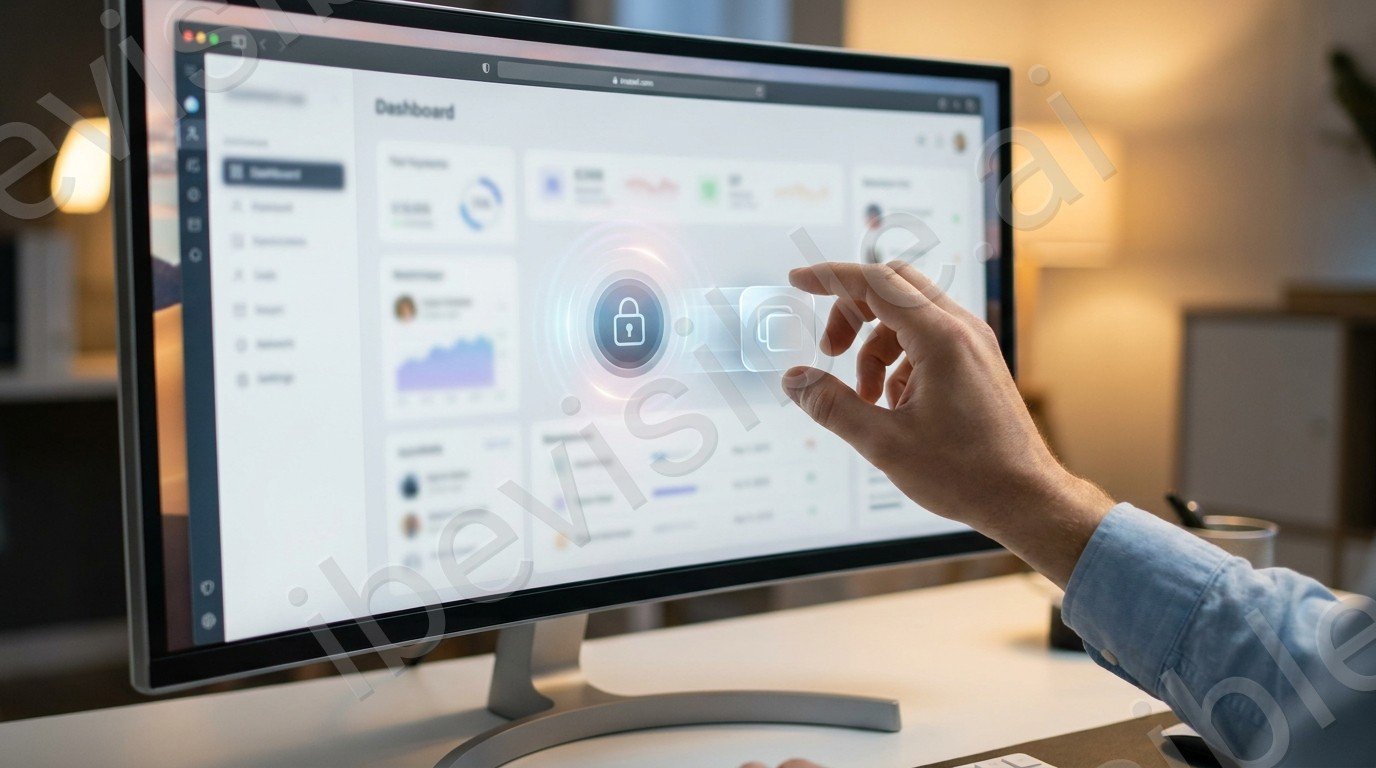

Key Takeaways
- Design can be a significant differentiator in commoditised markets.
- Micro-interactions enhance the user experience and can drive product preference.
- Emotional ROI from product design leads to higher user retention.
- Case studies highlight the competitive advantage gained from polished micro-interactions.
Key Answer
Design as a competitive moat leverages exceptional micro-interactions in SaaS platforms to stand out in a commoditised market. These nuanced user experiences enhance engagement and loyalty.
In the cutthroat world of Software as a Service (SaaS), where core features can quickly become commoditised, design emerges as a potent differentiator. Specifically, the concept of ‘Design as a Competitive Moat: Winning Commodity SaaS Markets Through Exceptional Micro-Interactions’ is gaining traction among forward-thinking product teams. As SaaS functionalities converge, it is the intricacies of user experience–those small but impactful micro-interactions–that can create a substantial competitive edge.
The Commodity Software Challenge: Facing the SaaS Conundrum
The rapid pace of technological advancement has led to the commoditisation of software capabilities. For SaaS companies, this means the primary functional features are often indistinguishable from those of their competitors. Startups and established companies alike find it difficult to differentiate based solely on their core offerings.
This market saturation necessitates a shift in strategy from feature-driven competition to experience-driven innovation. Companies are realising that while features get a product in the door, it is the user experience that retains clients and encourages advocacy.
The Power of Micro-Interactions: More Than Just Eye Candy
Micro-interactions are the subtle, often overlooked design elements that communicate feedback, assist with tasks, and enhance the overall user experience. These include intuitive search filters, satisfying confirmation animations, and smart contextual error messages.
These seemingly minor details can significantly influence user preference. For instance, an app’s visual and tactile feedback during a transaction can provide assurance and satisfaction, leading to a more engaging and sticky experience.
By focusing on these aspects, companies can transcend the basic functionality of their product, transforming it into a tool that feels intuitive and pleasurable to use.
| Micro-Interaction | Benefit | Example |
|---|---|---|
| Intuitive Search Filters | Increases speed and accuracy of searches | Spotify’s genre-based search suggestions |
| Confirmation Animations | Provides visual feedback and satisfaction | Apple’s animation when sending a message |
| Contextual Error States | Guides users with helpful suggestions | Google’s ‘Did you mean?’ feature in searches |
Expert Perspective
Senior UX Consultant
In an era where functionality is no longer a distinguishing factor, the subtleties of design take centre stage. Micro-interactions not only enhance usability but also forge an emotional bond with users that transcends traditional brand loyalty. For SaaS businesses, this means transforming their platforms into experiences rather than just tools.
The Emotional ROI of Product Feel: Building User Loyalty
Focusing on how a platform feels to use can create an emotional connection with users, which is invaluable in a crowded market. This emotional return on investment (ROI) is what turns users into loyal customers and brand advocates.
For product teams, this means a shift in philosophy–prioritising ‘feel’ alongside ‘function’. Platforms that invest in creating a seamless and enjoyable user experience tend to enjoy higher user retention rates. These positive experiences become the cornerstone of a product’s reputation.
Real-Life Case Study: The Scheduling Software Showdown
In a telling example, two employee scheduling software platforms vied for dominance in an enterprise market segment. Both offered similar functional features, from shift scheduling to workforce management analytics.
- Challenge: Platform A and Platform B shared identical features targeting the same audience.
- Solution: Platform B focused on refining micro-interactions, implementing drag-and-drop mechanics, visual validation, and smart suggestions.
- Results: Platform B became the preferred choice due to its polished user experience, securing a larger market share.
“Users overwhelmingly voted for Platform B because the software felt responsive and enjoyable to use.” – Industry Analyst
This case underscores the strategic value of micro-interactions as a differentiator in a commoditised landscape.
Leveraging Design as a Moat: Strategies for Implementation
To successfully employ design as a competitive moat, companies should integrate several strategies into their development processes. First, they should invest in user research to understand what elements of interaction are most valued by their users.
Secondly, iterative design and testing are crucial. This involves prototyping different micro-interactions and refining them based on user feedback. Finally, fostering a culture of design thinking within the organisation encourages creative solutions that focus on user-centric outcomes.
Frequently Asked Questions
Micro-interactions are small, often subtle design elements that enhance user experience by providing feedback, assisting tasks, and creating engaging interactions.
They differentiate products by creating a superior user experience, which can lead to increased customer satisfaction and loyalty.
Through user research, iterative design, and fostering a culture of design thinking to focus on user-centric outcomes.
It’s the user loyalty and advocacy gained from providing a satisfying and enjoyable product experience.
Yes, as demonstrated by the case study where Platform B gained market share by focusing on user experience through refined micro-interactions.