Key Takeaways
- Digital transformation is vital for modernising facility operations in Sri Lanka.
- Technologies like BMS, IoT, and AI drive efficiency and sustainability.
- While beneficial, digital implementation faces challenges such as high costs and cybersecurity risks.
- Future trends include smart buildings and sustainable management practices.
Key Answer
Digital Transformation in Facility Operations involves integrating technologies like BMS, IoT, and AI to enhance efficiency, reduce costs, and improve sustainability in building management.
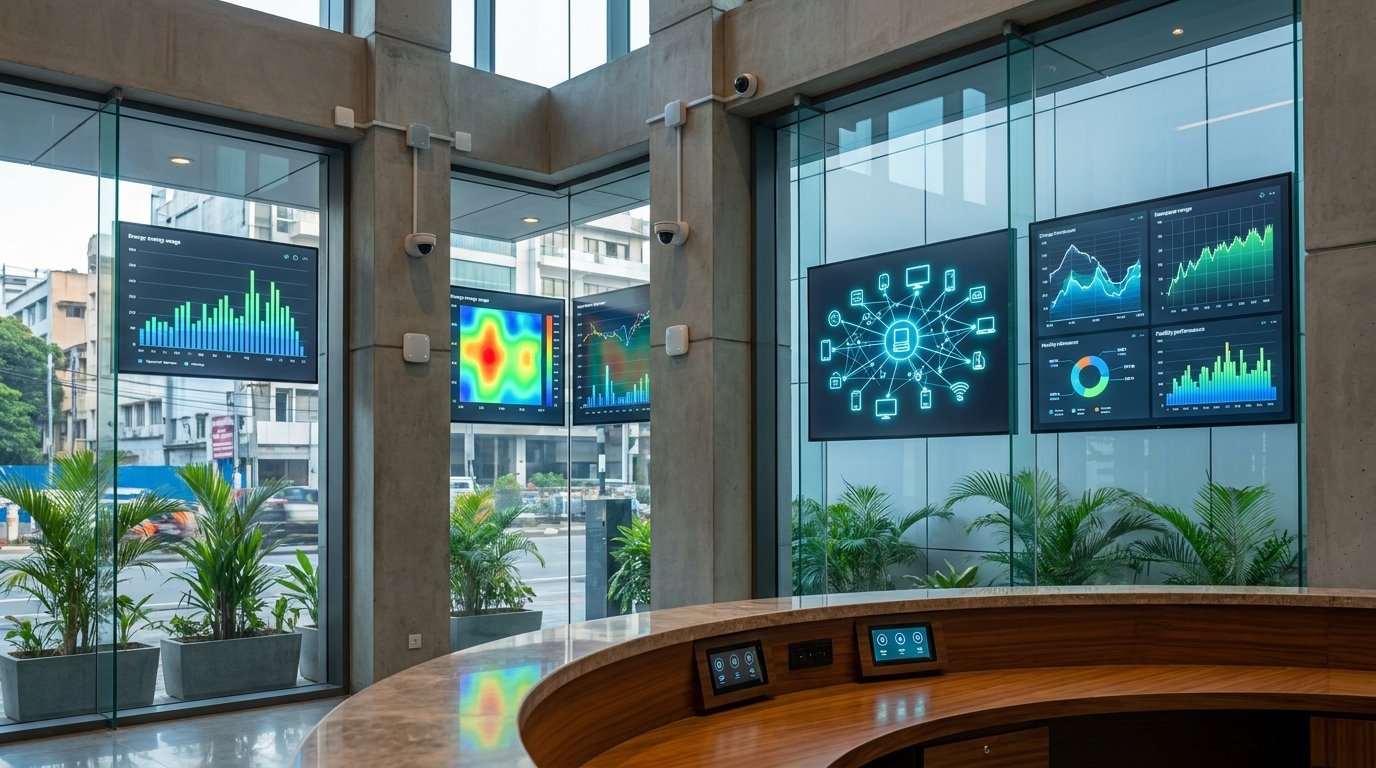
In Sri Lanka’s rapidly evolving landscape, the digital transformation in facility operations marks a pivotal shift in how buildings are managed. This transformation is driven by the integration of advanced technologies, such as Building Management Systems (BMS), Internet of Things (IoT), and Artificial Intelligence (AI), which streamline operations and enhance efficiency. As the demand for smarter, more sustainable solutions grows, facility managers are embracing these innovations to maintain competitive advantage and meet environmental goals.
Understanding Digital Transformation in Facility Operations
Digital transformation in facility operations refers to the process of integrating cutting-edge technologies to optimise the management and maintenance of buildings. In Sri Lanka, this evolution is not just a trend but a necessity for modern facility management. The importance of digital technologies cannot be overstated; they enable real-time monitoring, predictive maintenance, and data-driven decision-making, all of which contribute to improved operational efficiency and sustainability.
Facility management is undergoing a seismic shift as organisations look to embrace digital tools that offer superior insights and control. This transformation is essential for staying competitive and achieving regulatory compliance with local environmental standards.
Key Technologies Revolutionising Facility Operations
The core technologies driving this transformation in Sri Lanka include Building Management Systems (BMS), Internet of Things (IoT), Artificial Intelligence (AI), cloud computing, and mobile applications.
Building Management Systems (BMS): These systems allow for centralised control of a building’s mechanical and electrical equipment, including HVAC, lighting, power systems, and security alarms.
Internet of Things (IoT): IoT devices gather and exchange data through a network of connected devices, enabling facility managers to monitor operations remotely and in real time.
Artificial Intelligence (AI): AI enhances the ability to predict and respond to maintenance needs, optimise energy use, and automate routine tasks.
Cloud Computing: By storing data in the cloud, facilities can achieve better scalability and data accessibility, facilitating more dynamic and flexible operations.
Mobile Applications: These applications provide facility managers with on-the-go access to building data and controls, making management more agile and efficient.
Expert Perspective
Digital Transformation Specialist
In today’s competitive environment, embracing digital transformation in facility operations is not optional; it’s imperative for Sri Lankan businesses seeking to remain relevant and sustainable. By integrating technologies such as AI and IoT, facility managers can unlock new levels of efficiency and innovation, ultimately enhancing both economic and environmental performance.
The Benefits of Embracing Digital Transformation
Implementing digital transformation in facility operations brings numerous benefits to organisations in Sri Lanka. By enhancing operational efficiency, these technologies lead to significant cost savings and improved maintenance regimes.
Operational Efficiency: Digital tools streamline processes, automate workflows, and reduce the time and effort required for routine tasks.
Cost Savings: Predictive maintenance and energy management tools help in reducing operational costs by anticipating failures and optimising energy usage.
Predictive Maintenance: Technologies like AI and IoT enable facilities to predict when maintenance is needed, thus preventing unexpected breakdowns.
Enhanced Safety: Real-time monitoring and advanced security systems enhance the safety of facilities, protecting both assets and personnel.
Better Decision-Making: Data analytics provide facility managers with actionable insights, empowering them to make informed decisions about operations and investments.
Challenges in Implementing Digital Technologies
While the advantages are clear, the implementation of digital technologies in facility operations comes with its own set of challenges. Sri Lankan organisations must navigate high upfront costs, cybersecurity concerns, and the need for comprehensive employee training.
High Implementation Costs: The initial investment in digital infrastructure can be significant, requiring careful financial planning and justification.
Cybersecurity Risks: As facilities become more connected, they are also more vulnerable to cyberattacks, necessitating robust security measures.
Employee Training: Introducing new technologies requires upskilling employees to ensure they can operate and manage these systems effectively.
Integration with Existing Systems: Many facilities may have legacy systems in place that are not immediately compatible with new technologies, presenting integration challenges that require strategic solutions.
Future Trends Shaping Facility Operations
Looking ahead, the future of facility operations in Sri Lanka will be defined by several key trends. As technology continues to evolve, smart buildings, automation, digital twins, data analytics, and sustainable facility management will become more prevalent.
Smart Buildings: These buildings utilise technology to optimise performance, reduce energy usage, and create more sustainable environments.
Automation: Automation will streamline operations, reduce manual effort, and improve service delivery.
Digital Twins: Creating a digital replica of physical assets allows for better forecasting and problem-solving.
Data Analytics: Advanced analytics provide deeper insights into building operations, enhancing efficiency and effectiveness.
Sustainable Facility Management: Emphasis on sustainability will drive the adoption of technologies that minimise environmental impact and align with global standards.
Frequently Asked Questions
It is the process of integrating advanced technologies like BMS, IoT, and AI into the management and maintenance of buildings to enhance efficiency and sustainability.
The key benefits include improved operational efficiency, cost savings, predictive maintenance, enhanced safety, and better decision-making.
Challenges include high implementation costs, cybersecurity risks, employee training needs, and integration with existing systems.
Future trends include the rise of smart buildings, automation, digital twins, data analytics, and sustainable facility management.
They enable real-time monitoring, predictive maintenance, and data-driven decision-making, leading to more efficient and sustainable operations.