
Share this article

Table of Contents

Your Digital Twin May Work Before You Wake Up: How Virtual Innovations Drive Efficiency

Your Digital Twin May Work Before You Wake Up: How Virtual Innovations Drive Efficiency

Key Takeaways

  • Digital twins operate autonomously, often completing tasks before the workday begins.
  • They enable predictive analysis and virtual simulations, improving business efficiency and reducing risk.
  • Ethical and security challenges are key considerations when implementing digital twin technology.

Key Answer

Digital twin technology revolutionises industries by allowing virtual simulations and predictive analysis to improve processes and efficiency, often completing tasks before the workday begins.

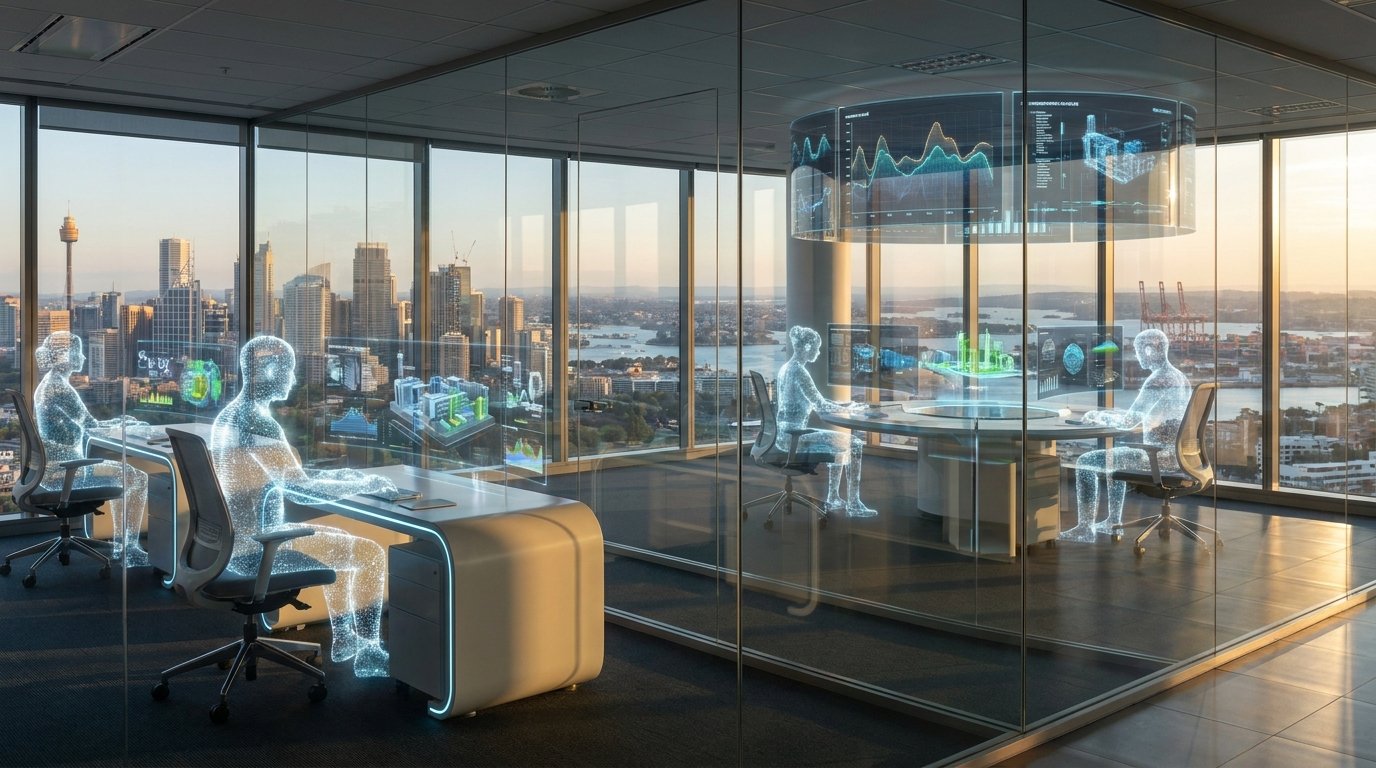
Your digital twin may work before you wake up, as digital twin technology is rapidly transforming industries across Australia. By enabling virtual simulations and predictive analysis, digital twins offer a way to automate processes and enhance efficiencies even before the start of the traditional workday. This technology is not only reshaping manufacturing, healthcare, and infrastructure sectors but also setting a new standard for how Australian businesses operate.

What are Digital Twins?

Digital twins are virtual replicas of physical entities or systems that allow for real-time data integration and analysis. These digital counterparts enable businesses to simulate various scenarios and optimise their processes without the risk of costly errors in the physical world. The concept has evolved significantly, encompassing a wide range of applications from manufacturing systems to entire urban infrastructures.

In the Australian context, digital twins are instrumental in addressing the unique geographical challenges faced by industries here. For instance, they are employed in mining operations to model the environmental impact and optimise extraction techniques. Similarly, in urban planning, digital twins of cities help manage resources more efficiently, ensuring sustainable development.

How Digital Twins Work Before You Do

Digital twins are designed to function autonomously, processing data and performing tasks before human intervention is needed. They utilise sophisticated algorithms to predict potential issues and optimise outcomes. This is particularly beneficial in industries such as manufacturing, where early problem detection can significantly reduce downtime and costs.

In Australia, digital twins are increasingly used in sectors like agriculture. By analysing weather patterns and soil conditions overnight, these twins can suggest optimal planting strategies by dawn, allowing farmers to make data-driven decisions that maximise yield. Additionally, in the healthcare industry, digital twins of patients can monitor vital signs and predict health risks, enabling early intervention and personalised care plans. This proactive approach ensures that human operators can start their day with insights already in hand, ready to make informed decisions.

Expert Perspective

Technology Consultant

Digital twin technology represents a pivotal advancement for Australian industries, driving efficiencies and innovation. However, organisations must balance technological benefits with ethical responsibilities, ensuring data security and transparency. In my view, the firms that master this balance will lead the way in global competitiveness.

Strategic Advantages for Australian Businesses

Integrating digital twins into business operations offers significant strategic advantages. They enhance efficiency and productivity by providing detailed insights into complex systems. By simulating and analysing operations virtually, businesses can experiment with different strategies without risking disruptions or losses.

For Australian companies, this means staying competitive in the global market by adopting cutting-edge technology. Sectors such as transport and logistics benefit greatly from this, as digital twins can optimise routes and improve fleet management through real-time data analysis. Furthermore, by employing digital twins, Australian businesses can achieve substantial cost savings in maintenance and operations, positioning them as leaders in innovation and sustainability.

Ethical and Security Considerations

While digital twins present numerous advantages, they also pose ethical and security challenges. The vast amount of data collected and analysed by digital twins needs robust protection against breaches and misuse. Ensuring data privacy and security is paramount, especially in sectors dealing with sensitive information such as healthcare and finance.

Australian businesses must adhere to strict data protection regulations, such as those outlined in the Australian Privacy Principles, to safeguard their operations and maintain trust with their clients. Additionally, ethical considerations around the deployment of digital twins include ensuring fairness and transparency, particularly when these systems make decisions that impact people’s lives. It is crucial for organisations to implement comprehensive oversight mechanisms to manage these ethical concerns effectively.

Future Prospects of Digital Twins in Australia

The future of digital twins in Australia looks promising, with the potential to revolutionise various sectors further. Continued advancements in AI and machine learning will enhance the capabilities of digital twins, making them even more efficient and versatile.

One of the anticipated developments is the integration of digital twins with smart city initiatives. This fusion will enable urban planners to monitor city functions in real-time, improving public services and resource management. Moreover, digital twins could play a pivotal role in Australia’s renewable energy sector by optimising energy production and distribution, thus supporting the nation’s sustainability goals.

Frequently Asked Questions

Digital twins improve business efficiency by enabling predictive analysis and real-time data processing, which help optimise operations and reduce the risk of costly errors.

Security concerns with digital twin technology include the need to protect vast amounts of data from breaches, ensuring privacy and compliance with regulations.

In healthcare, digital twins are used to monitor patient health in real-time, predict potential health risks, and enable personalised treatment plans.

Industries such as mining, agriculture, transport, and healthcare benefit significantly from digital twins in Australia, as they enhance efficiency and decision-making.

Digital twins in urban planning simulate city functions, allowing for efficient resource management and sustainable development.