
Key Takeaways
- Sri Lanka offers a unique biodiversity hotspot with 34 endemic bird species.
- The island’s wet, dry, and montane zones provide varied habitats crucial for birdwatching.
- Conservation efforts are vital for protecting these species from threats such as habitat loss.
Key Answer
Discover Sri Lanka’s top 25 endemic birds, including their habitats and conservation statuses, in this comprehensive guide tailored for birdwatchers.
Sri Lanka is a paradise for birdwatchers, boasting a rich tapestry of avian diversity. The island is home to an impressive array of endemic species, each contributing to its unique ecological fabric. This guide provides an authoritative overview of the top 25 endemic birds of Sri Lanka every birdwatcher should know, emphasising their habitats, identification tips, and conservation statuses.
Wet Zone Wonders
The wet zone of Sri Lanka is a haven for lush forests and vibrant birdlife. This region provides an excellent habitat for several unique species, each with specific preferences for altitude and environment.
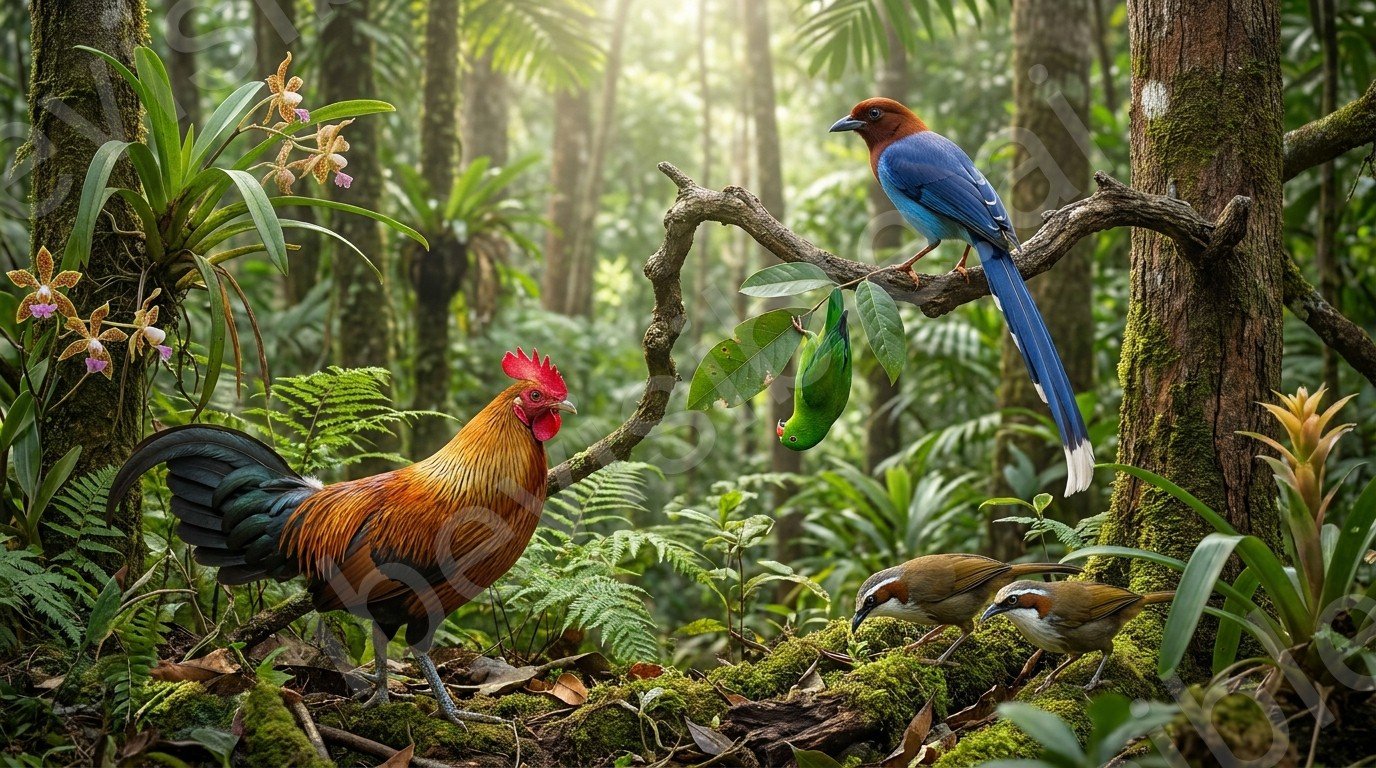
Among these species is the Sri Lanka Blue Magpie, often found in the dense lowland rainforests of Sinharaja. This striking bird, with its brilliant blue plumage and crimson bill, is not only visually captivating but also relatively easy to spot, with a Difficulty to Spot rating of 2. Birdwatchers can listen for its distinctive call, a series of harsh, croaky notes, to locate it in the canopy.
Another wet zone inhabitant, the Sri Lanka Frogmouth, can be spotted with more effort due to its incredible camouflage. With a Difficulty to Spot rating of 4, this nocturnal bird resides in the undergrowth, blending seamlessly with the forest foliage. The best time to catch a glimpse is during the early hours of the morning when its soft, eerie calls resonate through the forest.
The Sri Lanka Hanging Parrot thrives in these humid climates, favouring the forest edges and clearings. Its vibrant green feathers and red crown make it a picturesque sight against the verdant backdrop. Rated 3 in spotting difficulty, the Hanging Parrot can often be seen flitting from tree to tree in search of fruits and flowers.
| Bird | Habitat | Difficulty to Spot |
|---|---|---|
| Sri Lanka Blue Magpie | Dense lowland rainforests | 2 |
| Sri Lanka Frogmouth | Understory of wet zone forests | 4 |
| Sri Lanka Hanging Parrot | Forest edges and clearings | 3 |
Dry Zone Dwellers
The dry zone, characterised by its open woodlands and scrublands, supports a different array of avian life. Here, birdwatchers can encounter species well adapted to the drier conditions.
The Sri Lanka Junglefowl, the national bird of Sri Lanka, is a prominent figure in these areas. This vibrant bird, with a Difficulty to Spot rating of 1, is known for its unmistakable crowing and vivid plumage, making it one of the easier endemics to identify.
Similarly, the Sri Lanka Woodshrike is another frequent visitor to the dry zone’s forests and scrublands. With a distinctive eye stripe and melodious song, it holds a Difficulty to Spot rating of 3. It’s often seen in pairs, moving through the trees as they hunt insects.
Birdwatchers should also look out for the Sri Lanka Grey Hornbill, a larger species that is conspicuous thanks to its distinctive size and curved bill. Typically found in pairs or small groups, this bird carries a spotting difficulty of 2, offering ample opportunity for observation.
| Bird | Habitat | Difficulty to Spot |
|---|---|---|
| Sri Lanka Junglefowl | Open woodlands and scrublands | 1 |
| Sri Lanka Woodshrike | Dry zone forests and scrublands | 3 |
| Sri Lanka Grey Hornbill | Dry and semi-arid forests | 2 |
Expert Perspective
Ornithology Specialist
Birdwatching in Sri Lanka is an unparalleled experience due to the country’s unique array of endemic species and diverse habitats. It’s crucial that conservation and responsible tourism continue to work hand in hand to preserve these natural wonders for future generations.
Montane Marvels
The montane region of Sri Lanka, characterised by its cooler climate and elevation, offers refuge to species accustomed to higher altitudes.
The Sri Lanka Whistling Thrush, elusive and rare, thrives in the damp montane forests and is most active during dawn and dusk. This bird, with a Difficulty to Spot rating of 5, requires patient observation.
In contrast, the Sri Lanka Bush Warbler is frequently heard before seen. Found in montane thickets, its repetitive warbling calls are a good cue for birdwatchers. With a Difficulty to Spot rating of 4, catching a glimpse might be challenging, but listening is an equally rewarding experience.
Birdwatchers might also encounter the Sri Lanka Scaly Thrush. Preferring the forest floor of moist highland forests, this species is cryptic, with brown and cream plumage that aids in its concealment. It holds a spotting difficulty of 5, making successful sightings particularly rewarding.
| Bird | Habitat | Difficulty to Spot |
|---|---|---|
| Sri Lanka Whistling Thrush | Damp montane forests | 5 |
| Sri Lanka Bush Warbler | Montane thickets | 4 |
| Sri Lanka Scaly Thrush | Moist highland forest floors | 5 |
Conservation Challenges
The conservation of Sri Lanka’s endemic birds is crucial as they face numerous threats including habitat loss, climate change, and human encroachment.
Many species, such as the Sri Lanka Spurfowl and Sri Lanka Green-billed Coucal, are currently listed as vulnerable on the IUCN Red List. Efforts to protect these birds focus on preserving their natural habitats and promoting sustainable practices.
Birdwatching tourism also plays a role in conservation by raising awareness and funds for local conservation projects. These initiatives often involve local communities, fostering a sense of stewardship over these precious natural resources.
Photographic Opportunities and Equipment
For those looking to capture these remarkable birds on camera, understanding the best times and techniques is essential.
The dense forests of Sri Lanka can pose lighting challenges, so investing in a camera with good low-light performance or a fast lens is advisable. Dawn and dusk provide the best natural lighting conditions and are also the times when many species are most active.
A tripod can be invaluable for stability, particularly in the montane regions where the light can be more variable. A telephoto lens is recommended for capturing detailed images without disturbing the wildlife.
Understanding the calls of these birds can also aid in locating and photographing them. This skill can be particularly beneficial for elusive species like the Sri Lanka Scaly Thrush, whose calls can guide photographers to their whereabouts.
Frequently Asked Questions
The best time for birdwatching in Sri Lanka is during the dry season, from December to March, when the weather is conducive and birds are more active.
Sri Lanka is home to 34 recognized endemic bird species, each with unique habitat preferences and conservation needs.
Sri Lanka offers diverse habitats, from rainforests to dry scrublands, supporting a wide variety of bird species, including many endemics not found anywhere else.
Yes, there are numerous guided tours available that offer expert knowledge and access to key birdwatching spots across the island.
A good pair of binoculars, a camera with a telephoto lens, and a field guide are recommended essentials for birdwatching in Sri Lanka.