Share this article

Table of Contents

The Future of Work: How Professionals Should Prepare for AI and Automation

The Future of Work: How Professionals Should Prepare for AI and Automation

Key Takeaways

  • AI and automation are reshaping workplaces, driving the need for professionals to adapt.
  • Human skills like creativity and critical thinking remain irreplaceable by AI.
  • Professionals should build a skillset combining technology and essential soft skills.
  • AI tools can enhance personal productivity and workflow efficiency.

Key Answer

Professionals must prepare for the future of work by combining AI and automation knowledge with adaptability, creativity, critical thinking, and essential human skills.

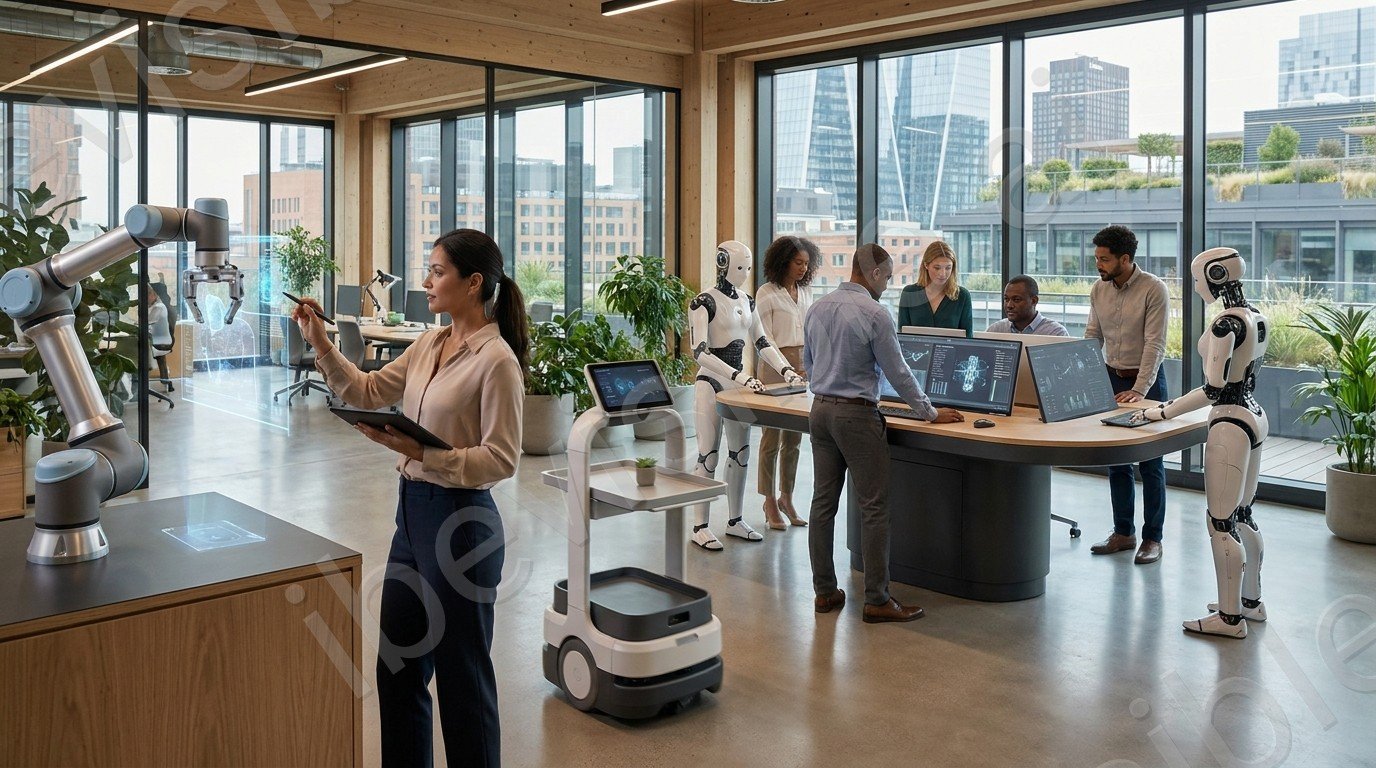
The rapid integration of artificial intelligence (AI) and automation into the workplace heralds a new era in the professional landscape. The future of work is not just about understanding these technologies but strategically preparing to thrive alongside them. This calls for professionals to enhance their adaptability, creativity, and critical thinking, ensuring they complement their technological knowledge with essential human skills.

AI and Automation: Transforming Workplaces

AI and automation are reshaping industries by handling repetitive tasks with unprecedented efficiency. This transformation enables companies to streamline operations, leading to increased productivity and cost savings. Industries such as IT, healthcare, finance, and manufacturing are witnessing significant shifts as AI takes over tasks ranging from data analysis to customer support.

However, this shift also implies a need for the workforce to evolve. While machines excel in performing structured tasks, human creativity and complex problem-solving remain irreplaceable. Thus, professionals are encouraged to blend their technological proficiency with these irreplaceable human attributes, fostering a symbiotic relationship with emerging technologies.

Sector AI Application Impact on Jobs
IT Automated coding and testing Shift towards strategic roles
Healthcare AI-assisted diagnostics Enhanced accuracy, support roles
Finance Algorithmic trading Increased efficiency, analytical roles
Manufacturing Robotic assembly lines Job shifts to programming and maintenance

Adaptability: The Key to Surviving Automation

Adaptability has become a cornerstone skill in the age of AI. As technology evolves, the ability to swiftly adapt to new tools and processes becomes essential. This flexibility allows professionals to stay relevant and pivot their roles as required, mitigating the risk of job obsolescence.

For example, IT professionals might find themselves transitioning from manual coding tasks to roles focusing on AI tool optimisation. In this dynamic environment, professionals must engage in continuous learning to stay ahead of technological advancements and remain valuable to their organisations.

Expert Perspective

Industry Technology Analyst

The shift towards AI and automation is inevitable, but it’s the proactive professionals who leverage this transition to their advantage. By fostering human-centric skills alongside technical acumen, they not only future-proof their careers but also contribute meaningfully to their industries.

Creativity and Critical Thinking: Irreplaceable Human Skills

In a world increasingly dominated by automation, creativity and critical thinking stand out as irreplaceable human capabilities. While AI can process data and identify patterns, it lacks the nuanced understanding and imaginative thinking that humans bring to the table.

These skills are crucial for innovation, allowing professionals to generate novel ideas and devise strategic solutions that machines cannot. By fostering creativity and honing their critical thinking abilities, professionals can differentiate themselves and drive their organisations towards groundbreaking achievements.

Building a Future-Proof Skillset

To thrive in the evolving job landscape, professionals should focus on building a future-proof skillset that integrates both technical and human skills. This includes pursuing educational opportunities in AI literacy and obtaining relevant certifications to enhance their technological proficiency.

Additionally, soft skills such as emotional intelligence, complex negotiation, and ethical judgment are invaluable. These competencies enable individuals to effectively interact with AI systems and navigate ethical dilemmas, contributing to a more holistic approach to professional development.

AI Tools for Personal Workflow Optimisation

AI tools have become indispensable for enhancing personal productivity and streamlining workflows. Tools like Midjourney for creative brainstorming, Perplexity for data analysis, and Claude for natural language processing are revolutionising how professionals manage their tasks.

By integrating these AI solutions into daily routines, professionals can automate routine tasks, allowing more time for strategic thinking and innovation. This personal workflow optimisation not only enhances individual productivity but also contributes to organisational efficiency.

AI Ethics for the Employee

As professionals increasingly incorporate AI into their workflows, understanding AI ethics becomes critical. This involves managing personal risk, ensuring data privacy, and addressing intellectual property concerns. As employees engage with generative AI tools, they must remain vigilant about the ethical implications and responsibilities inherent in these technologies.

Organisations should provide training to help employees navigate these ethical waters, fostering an environment of trust and accountability. This proactive approach ensures that the integration of AI into the workplace is both responsible and sustainable.

Frequently Asked Questions

Adaptability allows professionals to swiftly pivot to new roles and processes as AI transforms traditional job functions, ensuring continued relevance in the workforce.

Creativity, critical thinking, emotional intelligence, and ethical judgment are key human skills that AI cannot replicate, making them invaluable in the workplace.

Professionals can use AI tools like Midjourney and Claude to automate routine tasks, freeing up time for strategic thinking and innovation.

Ethical considerations include managing data privacy, understanding intellectual property rights, and ensuring the responsible use of AI technologies.

Industries such as IT, healthcare, finance, and manufacturing are significantly impacted by AI, each seeing shifts in roles and productivity enhancements.