
Share this article

Table of Contents

Comprehensive Landscape Photography Tips for Capturing Breathtaking Scenery in Australia

Comprehensive Landscape Photography Tips for Capturing Breathtaking Scenery in Australia

Key Takeaways

  • Natural lighting is crucial for stunning landscape photography, especially during golden hours.
  • The rule of thirds enhances composition by aligning key elements along grid lines.
  • Post-processing should enhance, not alter, the natural beauty of a scene.
  • Ethical practices ensure the conservation of Australia’s diverse landscapes.

Key Answer

Master landscape photography with expert tips focused on capturing Australia’s stunning scenery, including natural lighting techniques, the rule of thirds, and advanced post-processing strategies.

Australia’s diverse landscapes offer a breathtaking backdrop for photographers aiming to capture stunning scenery. Whether you are a beginner or an advanced photographer, mastering the art of landscape photography is essential to truly capture the essence of the land down under. This comprehensive guide provides essential landscape photography tips for capturing breathtaking scenery, focusing on crucial elements like natural lighting, composition rules, and post-processing techniques.

Harnessing Natural Lighting

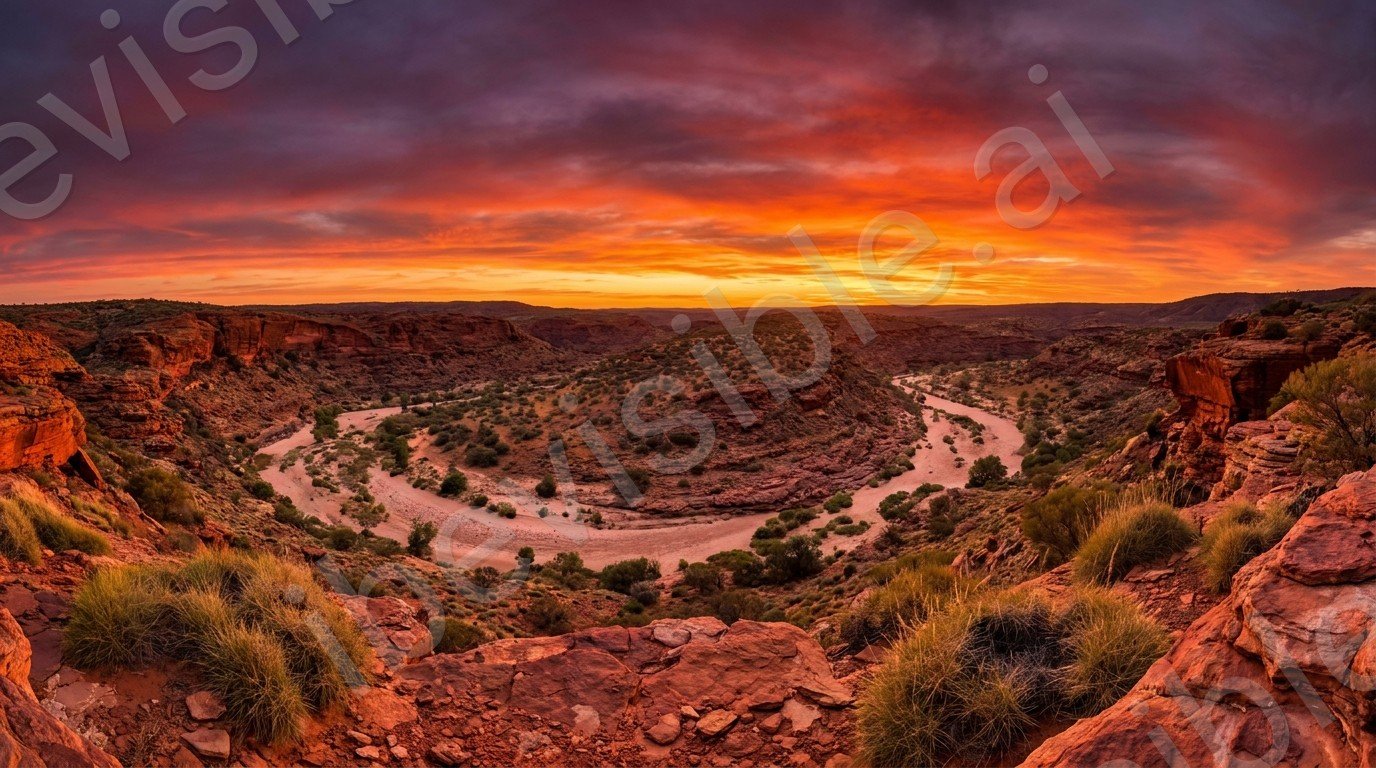
Natural lighting is the cornerstone of landscape photography, dictating mood and tone. In Australia, known for its vibrant and varied light conditions, understanding how to manipulate natural light can elevate your photos from ordinary to extraordinary. Photographers should aim to shoot during the ‘golden hours’–shortly after sunrise or just before sunset–when the light is soft and warm. This enhances colours and adds depth to your images.

To capture different lighting conditions, utilise tools like Neutral Density (ND) filters. These are invaluable in controlling exposure, especially in high-contrast scenarios such as bright midday sun or the intense hues of the desert. Circular polarizers can also help reduce glare from water or wet surfaces, which is particularly useful when shooting near Australian beaches or rainforests.

Mastering Composition with the Rule of Thirds

Composition is crucial in landscape photography, providing structure and focus. The rule of thirds, where the frame is divided into a 3×3 grid, helps create balanced and engaging photos. By placing points of interest along the grid lines or at their intersections, you can naturally draw the viewer’s eye to the most important elements of your scene.

For Australian landscapes, this might mean aligning the horizon along the upper or lower third, emphasising either the expansive sky or the rugged terrain. This technique is especially effective in locations like the Great Ocean Road, where the interplay between land and sea creates a dynamic visual narrative. Experiment with placing unique features, such as Uluru or the Twelve Apostles, at the intersecting points to enhance their prominence.

Expert Perspective

Professional Landscape Photographer

As a seasoned landscape photographer, understanding the interplay between natural lighting, composition, and ethical practices is critical to capturing the essence of Australia’s landscapes. Embracing advanced techniques and post-processing will not only enhance one’s skills but also contribute to preserving these magnificent sceneries.

Advanced Techniques for Challenging Conditions

Australia’s climate can pose unique challenges, from the misty Blue Mountains to the harsh outback sun. Understanding how to adapt your techniques to these conditions is vital. In fog or mist, use a longer exposure to capture the ethereal quality of the scene. This technique can add mystery and depth, often lending a dreamlike quality to landscapes.

In high-contrast settings, exposure blending or HDR (High Dynamic Range) photography can capture the full spectrum of light and detail. This involves taking multiple shots at different exposures and combining them in post-processing to ensure no detail is lost in shadows or highlights.

Furthermore, exploring different focal lengths can bring new perspectives. While wide-angle lenses are standard for landscape photography, telephoto lenses can compress the scene, allowing photographers to capture distant details like the textures of Uluru or the delicate outlines of distant mountain ranges.

Post-Processing for Enhanced Imagery

Post-processing is the final step in crafting breathtaking images and involves enhancing colours, adjusting exposure, and sharpening details to bring your vision to life. Software like Adobe Lightroom or Photoshop is instrumental in this phase. Photographers should focus on refining their images to reflect the natural beauty of the location while maintaining authenticity.

Incorporating techniques like focus stacking, which involves blending multiple images taken at different focus distances, can improve the depth of field and sharpness across the entire scene. This is particularly effective for capturing the intricate details of the Australian outback or the vivid hues of the Great Barrier Reef.

For those shooting in RAW format, which is highly recommended, the flexibility it offers in adjusting white balance and exposure during editing can be pivotal in perfecting your landscape shots. Always aim to keep post-processing subtle to enhance the scene without over-altering its natural charm.

Ethical Landscape Photography Practices

As photographers capture the natural wonders of Australia, it’s important to adhere to ‘Leave No Trace’ principles. This means respecting the environment, avoiding damage to delicate ecosystems, and ensuring that natural landscapes remain pristine for future generations. Photographers should be conscious of their impact, staying on designated paths and being mindful of wildlife.

Beyond individual actions, promoting sustainability through photography involves sharing images that not only capture beauty but also raise awareness about conservation efforts. By showcasing the untouched splendour of places like Kakadu National Park or the Daintree Rainforest, photographers can inspire others to value and protect these irreplaceable landscapes.

Frequently Asked Questions

The best time for landscape photography in Australia is during the ‘golden hours’–early morning and late afternoon–when natural lighting is soft and creates ideal conditions for capturing vivid and dynamic images.

Essential equipment includes a DSLR or mirrorless camera, a range of lenses (wide-angle and telephoto), ND filters, a sturdy tripod, and software for post-processing like Adobe Lightroom or Photoshop.

To photograph ethically, adhere to ‘Leave No Trace’ principles, respect local wildlife, stay on marked trails, and avoid disturbing the natural environment. Photographers should also consider how their work can contribute to conservation awareness.

Key techniques include exposure blending for high dynamic range, focus stacking for depth of field, and subtle colour adjustments to enhance natural beauty without over-altering the scene.

The rule of thirds creates a balanced and engaging composition, guiding the viewer’s eye to key elements. It helps position the horizon and main subjects to achieve a harmonious balance in the frame.