Key Takeaways
- Employing a comprehensive mosquito control strategy is essential for IT environments to ensure safety and productivity.
- Integration of structural, behavioural, and chemical controls can significantly reduce mosquito presence in the workplace.
- Compliance with health guidelines and active duty of care are critical to maintaining workplace safety.
- Engaging employees in mosquito control efforts enhances effectiveness and fosters a sense of community responsibility.
Key Answer
Learn how to create a mosquito-free workplace in IT environments with strategic practices, compliance measures, and innovative solutions, ensuring safety and productivity in Sri Lanka.
Creating a mosquito-free workplace is paramount, especially in the humid climate of Sri Lanka where these pests are prevalent. For IT companies, ensuring a safe and comfortable environment not only boosts employee productivity but also aligns with health and safety regulations. Implementing comprehensive mosquito control practices can significantly mitigate health risks and enhance overall workplace well-being.
Understanding the Mosquito Threat
In Sri Lanka, the threat of mosquito-borne diseases like dengue and chikungunya is significant, affecting workplace safety and productivity. These illnesses can lead to increased absenteeism and lower morale, affecting the overall performance of a company, particularly in the fast-paced IT industry.
Effective mosquito control in the workplace is not just about avoiding discomfort. It’s a critical health and safety measure that can prevent disease transmission and ensure compliance with national workplace safety standards. According to safety experts, implementing proactive mosquito control strategies is essential in high-risk areas.
Strategic Mosquito Control Framework for IT Workplaces
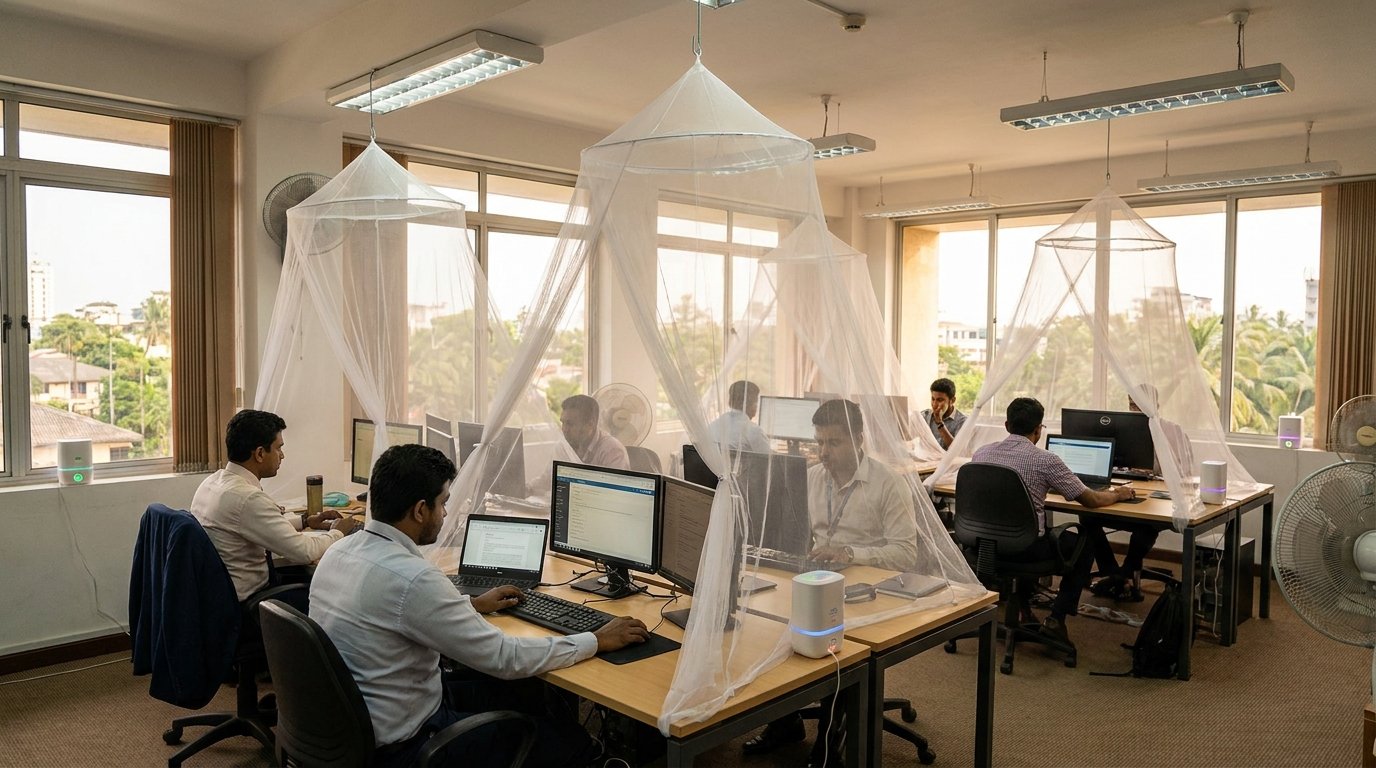
To effectively address the mosquito menace, IT facilities should adopt a three-tiered approach: structural, behavioural, and chemical. This comprehensive strategy provides a robust framework for maintaining a mosquito-free environment.
Structural Measures: Focus on physical barriers. Installing mosquito nets on windows and doors, using air curtains, and ensuring all drainage systems are covered and cleaned regularly to prevent breeding.
Behavioural Practices: Encourage employees to keep their workstations clean and eliminate standing water in and around the office. Conduct regular awareness sessions about mosquito habitats and the importance of personal protective measures.
Chemical Solutions: Employ eco-friendly repellents and insecticides. Use timed-release spray systems or electronic repellents to maintain ongoing protection without disrupting the work environment.
Expert Perspective
Facility Management Specialist
Incorporating mosquito control into workplace safety protocols not only aligns with legal compliance but is a strategic business move. It enhances employee health, reduces absenteeism, and ultimately increases productivity. In my experience, companies that adopt holistic approaches see significant improvements in their work environment.
Compliance and Duty of Care in IT Environments
Adhering to compliance standards is crucial for IT companies to maintain a safe work environment. The Sri Lankan Ministry of Health provides guidelines on vector control that should be integrated into workplace policies. Compliance with these standards is not only a legal obligation but a moral one, ensuring the well-being of all staff.
Duty of care requires that employers actively manage potential health threats, including mosquito control. This involves regular inspections, documentation of efforts, and training sessions to educate employees about the risks and the company’s mosquito prevention plan.
Enhancing Productivity Through Mosquito Control
The business case for mosquito control is clear: healthier employees are more productive and engaged. By reducing the risk of mosquito-borne illnesses, companies can decrease sick leave and enhance staff retention.
A mosquito-free workplace contributes to a conducive work environment, which is critical in industries reliant on concentration and innovation, such as IT. Employees are more likely to perform at their best when they feel safe and comfortable.
Employee Engagement and Policy Implementation
Creating a formal ‘Mosquito Prevention Policy’ is essential in engaging employees and securing their cooperation. This policy should outline the measures in place and encourage reporting of any observed mosquito breeding grounds.
Implement regular training sessions to educate employees on identifying and mitigating mosquito risks. This proactive engagement fosters a sense of shared responsibility, leading to a more vigilant and responsive team.
Frequently Asked Questions
Dengue fever and chikungunya are prevalent mosquito-borne diseases in Sri Lanka, affecting workplace health and productivity.
IT companies can implement mosquito control by integrating structural, behavioural, and chemical strategies, including installing barriers, promoting cleanliness, and using eco-friendly repellents.
Mosquito control is crucial in IT environments to prevent health risks, improve employee productivity, and comply with safety regulations.
Employee engagement is vital as it encourages a shared responsibility for maintaining a mosquito-free workplace and enhances overall effectiveness of the control measures.
Yes, the Sri Lankan Ministry of Health provides guidelines for vector control, which include mosquito management in workplaces, ensuring compliance and safety.