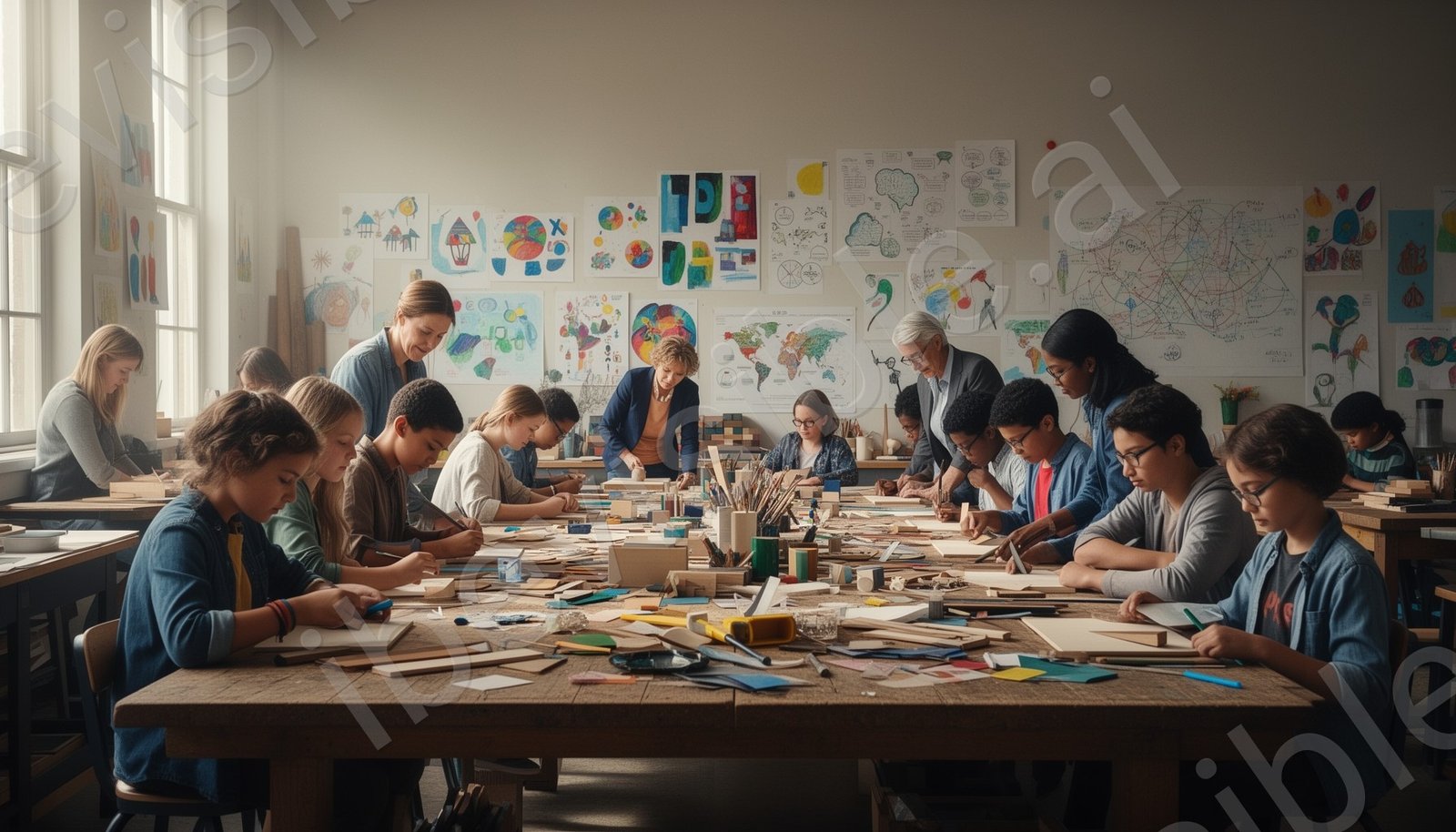

Key Takeaways
- Encouraging curiosity involves creating environments that promote inquiry and exploration.
- Creativity can be fostered by supporting diverse thinking and risk-taking.
- Independent thinking is nurtured through critical analysis and problem-solving education.
- Supportive environments and thoughtful integration of technology enhance creativity.
Key Answer
To protect curiosity, creativity, and independent thinking, cultivate supportive environments that encourage questioning, offer diverse learning experiences, and value individual expression.
In an era where technological advancements shape how we learn and work, the question ‘How do we protect curiosity, creativity and independent thinking?’ becomes increasingly important. These traits are not just desirable; they are essential for progress in any field. Yet, traditional systems often constrain them. This article explores ways to nurture these skills, ensuring they thrive across educational and professional landscapes.
The Importance of Curiosity in Learning
Curiosity drives learners to explore and understand the world around them. It is the spark that ignites a lifelong passion for discovery and learning. Educators can protect and cultivate curiosity by encouraging questions and allowing time for exploration beyond the standard curriculum. Schools that promote inquiry-based learning environments see higher engagement levels and better critical thinking skills among students. By integrating curiosity-driven activities, schools can create a vibrant learning atmosphere that fosters sustained interest and exploration.
Creativity: The Engine of Innovation
Creativity is at the heart of all innovation. Whether it’s developing a new product, designing a unique solution, or creating art, creativity pushes boundaries and drives progress. Organisations can protect and promote creativity by providing resources and time for brainstorming sessions, encouraging risk-taking, and rewarding innovative ideas. A workplace culture that values and rewards creative efforts inspires employees to think outside the box and experiment with new ideas. This not only benefits the individual but also contributes to the organisation’s success.
Expert Perspective
Education and Innovation Specialist
Protecting curiosity, creativity, and independent thinking requires a multi-faceted approach that involves educators, policy-makers, and organisational leaders working together to create an ecosystem that values and encourages diverse perspectives and ideas.
Fostering Independent Thinking in Education
Independent thinking is crucial for personal development and societal advancement. It involves the ability to analyse information critically and make informed decisions. Schools can foster independent thinking by promoting a curriculum that emphasizes problem-solving and critical analysis rather than rote memorisation. Teachers can play a significant role by challenging students to consider different perspectives, engage in debates, and solve real-world problems.
Creating Supportive Environments for Innovation
Supportive environments are essential to protecting curiosity, creativity, and independent thinking. This involves creating spaces where individuals feel safe to express ideas without fear of judgement or failure. Organisations and educational institutions can cultivate such environments by promoting open communication, providing constructive feedback, and recognising achievements. Access to varied resources, such as diverse reading materials and technologies, also plays a crucial role in supporting innovative thinking.
The Role of Technology in Encouraging Creativity and Independence
Technology offers unique opportunities to enhance creativity and independent thinking. Digital tools and resources allow learners to explore subjects in depth and from different perspectives. Online platforms can provide simulations and virtual labs that encourage experimentation. However, it’s essential to balance technology use to ensure it complements learning without overshadowing traditional, hands-on experiences. By integrating technology thoughtfully, educators and managers can enhance creative capabilities and independent thought.
Overcoming Barriers to Creativity and Independence
Barriers such as rigid educational frameworks, limited resources, and risk-averse cultures can stifle curiosity and creativity. Overcoming these barriers requires commitment at all levels–from policy-makers to educators and managers. Reforming education policies to allow for more flexibility, investing in professional development for educators, and cultivating an organisational culture that values innovation are steps towards protecting these vital skills. By actively addressing these challenges, institutions can create an environment where curiosity, creativity, and independent thinking flourish.
Frequently Asked Questions
Schools can promote curiosity by fostering inquiry-based learning environments, encouraging questioning, and allowing exploration beyond the standard curriculum.
Organisations can encourage creativity by providing resources and time for brainstorming, rewarding innovative ideas, and fostering a culture that values diverse thinking.
Independent thinking is crucial in education as it helps students analyse information critically and make informed decisions, preparing them for real-world challenges.
Technology can enhance creativity by providing tools and platforms for exploration and experimentation, though it should be used to complement traditional learning methods.
Barriers to creativity can be overcome by reforming education policies for more flexibility, investing in educator development, and cultivating cultures that value innovation.