
Share this article

Table of Contents

Sri Lanka's Port City: A Game Changer? Unveiling Its Impact on Tourism and Culture

Sri Lanka’s Port City: A Game Changer? Unveiling Its Impact on Tourism and Culture

Key Takeaways

  • Colombo Port City aims to integrate modern infrastructure with Sri Lankan culture.
  • The project has potential to significantly boost tourism, positioning Colombo as a global city.
  • Economic opportunities are vast, but balancing with local SME needs is crucial.
  • Environmental sustainability remains a concern amidst land reclamation debates.

Key Answer

Sri Lanka’s Port City, a symbol of modernisation and economic promise, is set to significantly impact tourism by blending contemporary infrastructure with rich cultural history.

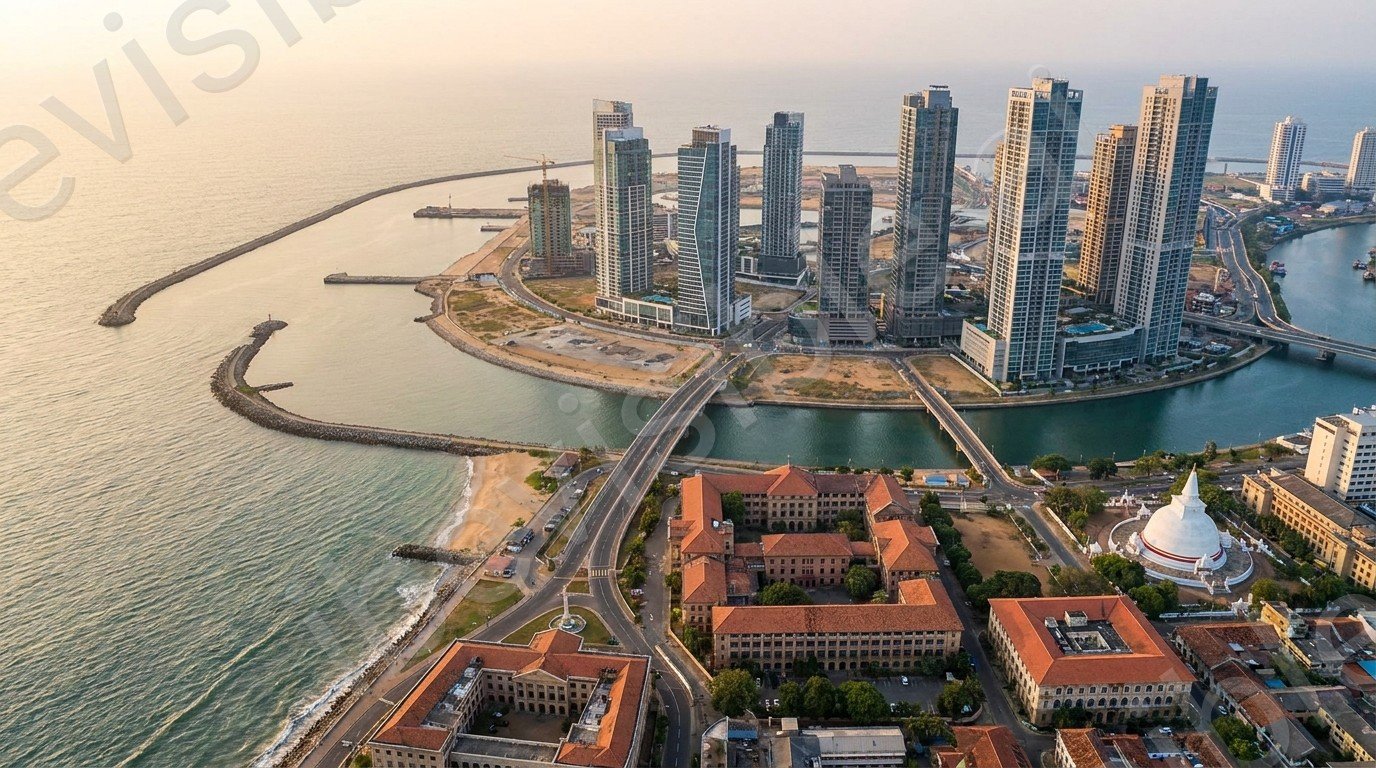
Sri Lanka’s Port City: A Game Changer? This question captures the imagination as this ambitious project promises to redefine the island’s landscape, economy, and culture. The Colombo Port City is set to be a transformative force, potentially altering the dynamics of tourism and commerce in Sri Lanka.

Historically, Sri Lanka has been a melting pot of cultures and commerce, given its strategic location along ancient maritime routes. As modernity meets tradition, the development of Port City Colombo aims to harness Sri Lanka’s historical advantages while offering new opportunities for growth.

The Historical Roots of Sri Lanka's Port City

The genesis of Colombo Port City is deeply rooted in Sri Lanka’s long-standing history as a hub of maritime trade. Known for centuries as a point of convergence for traders, Sri Lanka’s strategic position in the Indian Ocean has been its asset. From the ancient Silk Road to the bustling ports of the British colonial period, the island’s ports have always been key to regional trade.

In particular, Colombo has stood out as a pivotal location, evolving through layers of cultural influences–from Arab traders to European colonisers. Today, with the advent of the Port City, Colombo seeks to recapture its historical significance on a modern scale, transforming from a traditional hub into a futuristic metropolis.

Era Significance Cultural Impact
Ancient Silk Road Trade hub for spices and textiles Integration of diverse cultures
Colonial Period British-controlled commercial centre European architectural influences
Modern Era Development of Port City Fusion of modern infrastructure with traditional culture

Cultural Significance and Modern Integration

The Port City initiative doesn’t just promise economic growth but also aims to enhance Sri Lanka’s cultural landscape. By integrating elements of local heritage with modern architecture, the project aspires to create a unique cultural destination.

Planned attractions include museums that highlight the island’s rich history, cultural performance spaces, and public parks that preserve native flora. Such initiatives are designed to attract tourists eager to experience both the modern and traditional facets of Sri Lanka.

Expert Perspective

Travel and Tourism Expert

As an expert in travel and tourism, the strategic development of Colombo Port City represents a pivotal shift for Sri Lanka. It holds the promise of transforming the nation into a premier destination that honours its past while embracing the future. However, the success of such a transformative project hinges on a delicate balance between development and sustainability, a challenge that requires meticulous planning and execution.

Impact on Sri Lankan Tourism

Tourism is expected to flourish with the rise of Colombo Port City. It offers an enticing mix of new age luxury and cultural depth, enticing visitors to experience the dynamic juxtaposition of tradition and modernity. Its role in transforming the tourism landscape is significant, potentially drawing millions of visitors.

With cutting-edge conference centres, high-end hotels, and luxury residences, the Port City is set to position Colombo as a premier global city. It is poised to compete with regional powerhouses like Singapore and Dubai, potentially providing a significant boost to Sri Lanka’s tourism sector.

Destination Features Expected Impact
Conference Centres Advanced facilities for global events Increased business tourism
High-End Hotels Luxury accommodations with cultural themes Attraction for affluent travellers
Public Parks Preservation of local flora and fauna Ecotourism enhancement

Economic Projections and Challenges

The economic potential of Sri Lanka’s Port City is vast, yet it comes with its share of challenges. As an economic powerhouse in the making, it aims to draw foreign investment through tax incentives and a business-friendly environment. However, integrating this growth with local economic conditions presents a complex challenge.

Balancing the influx of international corporations with opportunities for local SMEs is critical. The Port City’s Special Economic Zone status is designed to create favourable conditions for businesses but must ensure benefits are also accessible to local enterprises.

Environmental Considerations and Sustainability

While the Port City project is ambitious in its economic goals, environmental sustainability is a major concern. The land reclamation activities have sparked debates about their impact on marine life and the coastal ecosystem. Responsible development practices are crucial to mitigate these impacts.

Proposed measures include integrating green spaces and sustainable building practices to ensure that environmental concerns are addressed alongside economic objectives. The success of Colombo Port City as a sustainable model could set an example for other similar projects worldwide.

Frequently Asked Questions

Colombo Port City aims to redefine Sri Lanka as a global business and tourism hub, blending modern infrastructure with cultural heritage to attract international visitors and investors.

The Port City is designed to attract foreign investments while offering opportunities for local SMEs. The balance between international and local enterprises will be crucial for its success.

Land reclamation for the Port City has raised concerns about its impact on marine life and the coastal ecosystem, necessitating responsible development practices.

The Port City plans to combine luxury amenities with cultural attractions, offering a unique destination that highlights Sri Lanka’s modern and traditional aspects.

Colombo’s history as a trade hub under various empires has led to a rich cultural tapestry, influencing its development and making it a key location for the Port City project.