
Key Takeaways
- AI agents enhance efficiency and reduce costs across key industries in Australia.
- Advancements in AI technologies are pivotal for the evolution of autonomous agents.
- Proper governance of AI agents is essential to mitigate risks and maximise benefits.
Key Answer
AI’s handling of agents is crucial for improving operational efficiency and reliability in industries such as logistics, customer service, and robotics. This is particularly relevant in Australia, where technological advancements are driving significant sector growth.
Why AI’s handling of agents matters significantly in today’s technology-driven landscape, especially in Australia, where industries like logistics, customer service, and robotics are rapidly evolving. As these sectors increasingly rely on AI, understanding the management and orchestration of autonomous agents is crucial to ensuring efficiency and reliability. This article delves into the implications of AI in managing these agents and explores the potential impacts and advancements that are shaping the future across various Australian industries.
The Role of AI in Managing Autonomous Agents
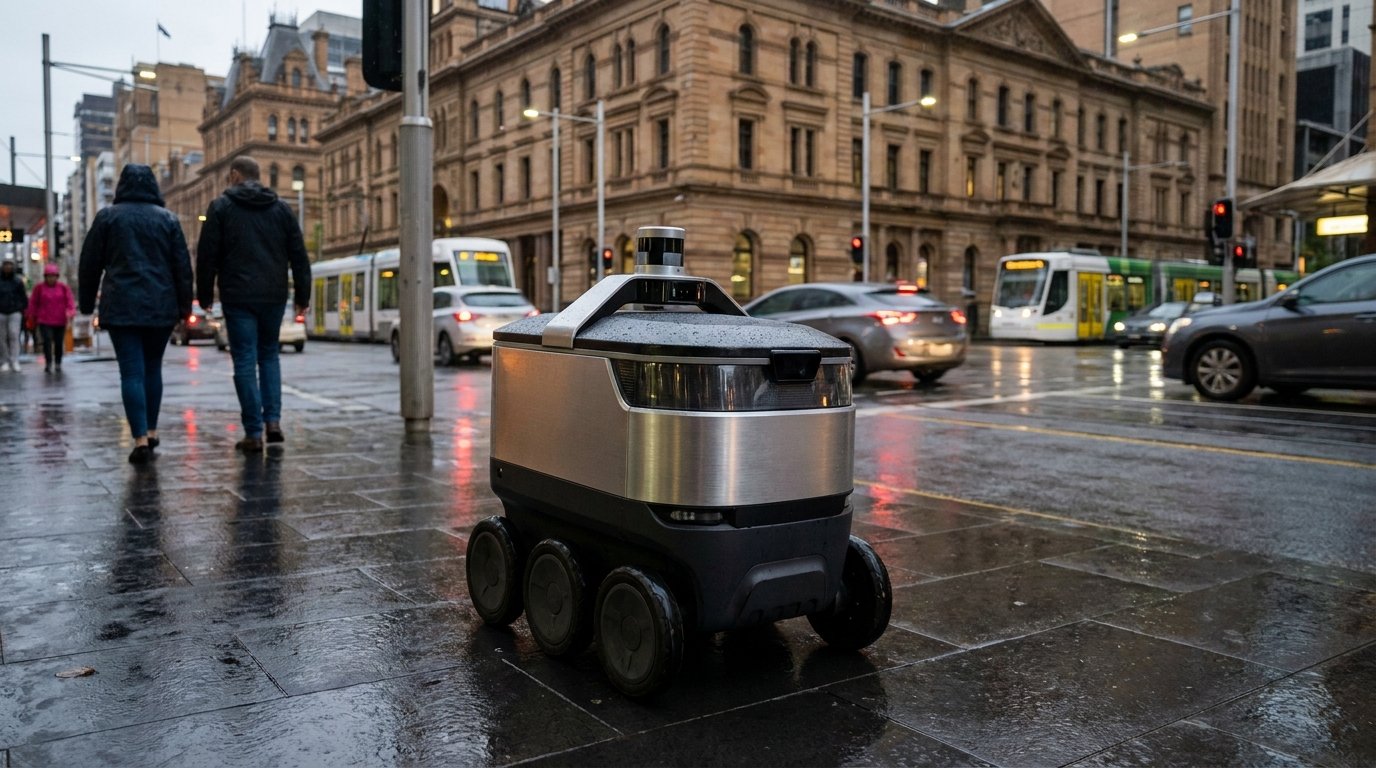
In the current technological era, autonomous agents, powered by AI, have become instrumental in streamlining operations across numerous sectors. These agents, capable of operating independently, rely on AI algorithms to perform tasks with minimal human intervention. Australia’s logistics and customer service sectors, in particular, are benefiting from these advancements, which enhance operational efficiency and reduce costs.
AI’s ability to process vast amounts of data quickly and accurately enables agents to make informed decisions, thereby improving the reliability of their actions. In industries where timing and accuracy are critical, such as logistics, this can translate into significant competitive advantages. For instance, AI-driven agents can optimise delivery routes in real-time, ensuring timely and efficient service.
| Sector | Impact of AI Agents | Key Benefits |
|---|---|---|
| Logistics | Optimisation of delivery routes, inventory management | Increased efficiency, cost savings |
| Customer Service | 24/7 customer interaction, data-driven responses | Improved customer satisfaction, operational scalability |
| Robotics | Automation of repetitive tasks | Enhanced productivity, reduced human error |
Advancements in AI Technologies
Recent advancements in AI technologies have been pivotal in enhancing the capabilities of autonomous agents. In Australia, these technologies are being adopted to address specific challenges faced by industries. From advanced machine learning models that predict consumer behaviour to natural language processing that enhances customer service bots, AI technologies are enabling agents to perform complex tasks with greater precision.
The integration of AI in robotics has also seen substantial progress. In industrial environments, robotic agents are increasingly taking over tasks that are dangerous or monotonous for humans. This not only improves safety but also increases efficiency, as robots can work continuously without fatigue. Such advancements are setting a new standard for operational excellence in Australian industries.
Expert Perspective
AI Strategy Consultant
As AI continues to permeate various sectors, it’s evident that managing autonomous agents effectively will be a cornerstone of modern business strategy. Australian industries have the opportunity to lead in this space by fostering innovation and establishing robust governance frameworks. In my view, the key will be striking the right balance between technological advancement and ethical responsibility, ensuring AI benefits society at large.
The Impact on Key Australian Industries
The impact of AI on Australian industries is profound, with logistics, customer service, and robotics at the forefront. In logistics, AI-powered agents are reshaping the supply chain by introducing automation in everything from warehouse operations to delivery processes. This transformation leads to more streamlined operations and faster turnaround times.
In customer service, AI agents are enhancing the customer experience by providing instant support and personalised solutions. These agents are capable of handling high volumes of queries simultaneously, which significantly boosts the efficiency of customer support teams while maintaining high service standards.
Robotics, another critical sector in Australia, is leveraging AI to perform intricate tasks with unmatched precision. From assembly lines in manufacturing to autonomous mining equipment, AI-driven robots are becoming indispensable in performing tasks that demand accuracy and consistency.
Why AI's Handling of Agents Matters
Understanding why AI’s handling of agents matters is essential for businesses aiming to stay ahead in a competitive landscape. Properly managed AI agents can lead to transformative changes by increasing efficiency and lowering operational costs. The automation of routine tasks allows human workers to focus on more strategic activities, fostering innovation and growth.
Moreover, the governance of these agents must be robust to mitigate potential risks associated with autonomy, such as errors in judgment or data breaches. Implementing a risk vs. autonomy matrix can help organisations determine the level of control needed for different tasks. This framework ensures that AI agents operate within defined parameters, safeguarding both the interests of the business and its customers.
Future Prospects and Innovations
Looking ahead, the future of AI in managing autonomous agents appears promising, with continuous innovations expected to drive more sophisticated applications. As AI technologies evolve, Australian industries are likely to see further integration of these agents, leading to new efficiencies and capabilities.
Collaborations between AI developers and industry stakeholders will be crucial in accelerating the adoption and refinement of these technologies. By addressing challenges such as data privacy and ethical AI deployment, Australia can position itself as a leader in AI innovation, fully leveraging the potential of autonomous agents to shape a more efficient and prosperous future.
Frequently Asked Questions
Autonomous agents are software programs or machines that can perform tasks independently, using AI to make decisions without human intervention.
AI is transforming logistics in Australia by optimising delivery routes, enhancing inventory management, and automating warehouse operations, leading to increased efficiency and reduced costs.
In customer service, AI agents provide 24/7 support, handle large volumes of inquiries, and deliver personalised responses, improving customer satisfaction and operational efficiency.
Challenges include ensuring data security, managing errors in autonomous decision-making, and addressing ethical considerations around AI deployment.
Governance is crucial to define operational parameters, ensuring AI agents act responsibly, reducing risks of errors or data breaches, and aligning their actions with business objectives.