
Share this article

Table of Contents

The Ultimate Guide to Wildlife in Sri Lanka: Where to See the Island's Most Iconic Animals

The Ultimate Guide to Wildlife in Sri Lanka: Where to See the Island’s Most Iconic Animals

Key Takeaways

  • Sri Lanka’s ‘Big Five’ includes the leopard, elephant, sloth bear, blue whale, and sperm whale.
  • Yala National Park is ideal for leopard sightings, while Udawalawe is known for elephants.
  • Ethical tourism is crucial for wildlife conservation; avoid parks that exploit animals.
  • The best time for wildlife viewing aligns with the dry season, from February to July.

Key Answer

Explore Sri Lanka’s diverse wildlife in its natural habitats at key locations like Yala National Park and Sinharaja Forest Reserve. Discover the best times to visit and ethical travel tips in our ultimate guide.

Sri Lanka is a sanctuary for wildlife enthusiasts, offering a unique tapestry of biodiversity that promises unforgettable encounters with nature’s marvels. This comprehensive guide, ‘The Ultimate Guide to Wildlife in Sri Lanka: Where to See the Island’s Most Iconic Animals’, is designed to navigate you through the lush landscapes and rich ecosystems where the island’s extraordinary fauna thrives. From majestic elephants to elusive leopards, Sri Lanka offers a wildlife spectacle like no other.

Unveiling Sri Lanka's Big Five

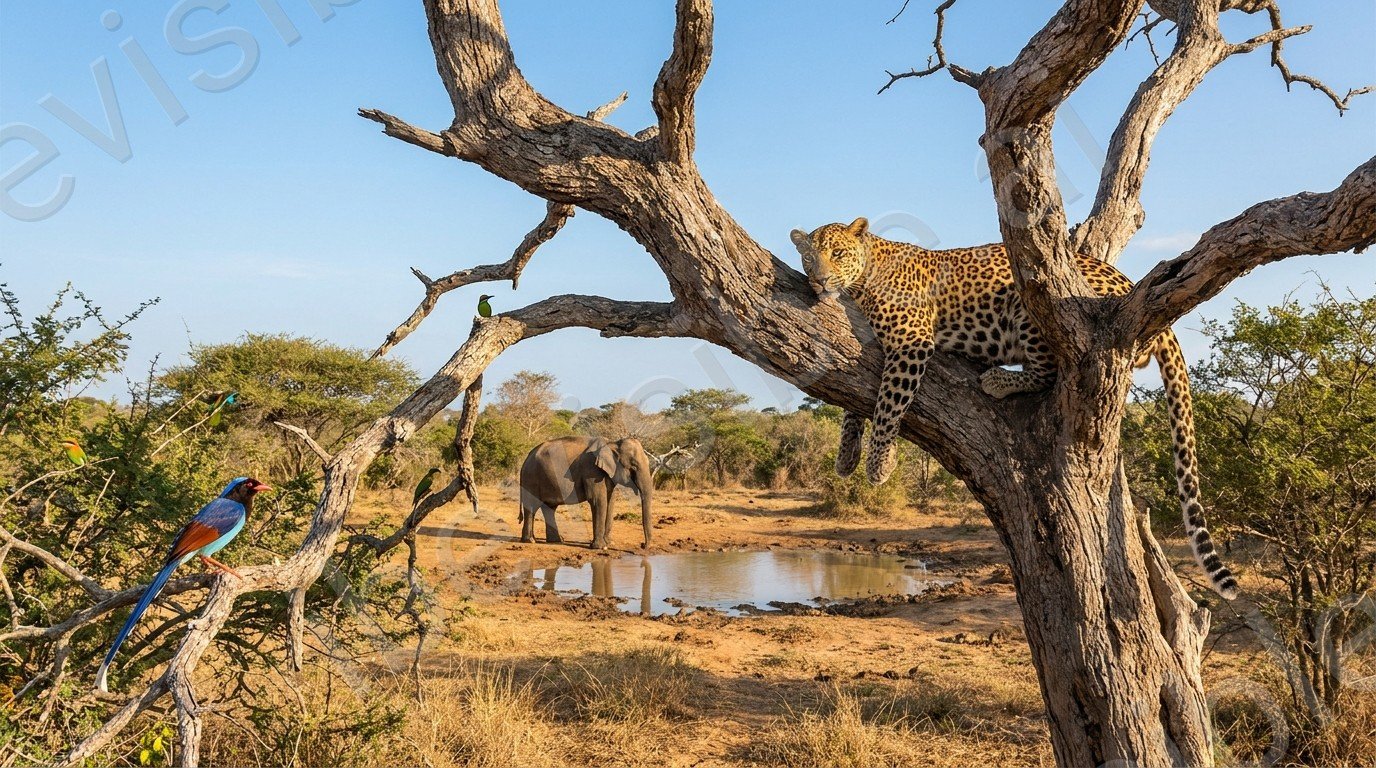
Sri Lanka’s ‘Big Five’ is a thrilling ensemble of wildlife that captivates visitors: the Sri Lankan leopard, Asian elephant, sloth bear, blue whale, and sperm whale. Each species contributes to the island’s reputation as a prime wildlife destination, offering unique viewing experiences across its national parks and marine sanctuaries.

The best locales to witness these iconic creatures include Yala National Park for leopards and elephants, and the waters off Mirissa for whale watching. Timing your visit during the dry season enhances your chances of sighting, especially as wildlife tends to gather around the remaining waterholes.

Animal Primary Location Best Time to Visit
Sri Lankan Leopard Yala National Park February to July
Asian Elephant Udawalawe National Park June to October
Sloth Bear Wilpattu National Park May to September
Blue Whale Mirissa November to April
Sperm Whale Trincomalee March to July

Top National Parks and Reserves

Sri Lanka is dotted with national parks, each offering unique wildlife encounters. Yala National Park is renowned for its high density of leopards, while Wilpattu National Park is famed for its sloth bear sightings. The Udawalawe National Park is a haven for elephant enthusiasts, boasting large herds freely roaming the savannah-like landscapes.

Sinharaja Forest Reserve, a UNESCO World Heritage site, is a biodiversity hotspot, home to endemic species like the purple-faced langur and Sri Lankan blue magpie. This pristine rainforest is ideal for bird watchers and nature lovers looking to explore the island’s diverse avian life.

When planning your visit, consider the monsoon patterns. The northeast monsoon affects Wilpattu, making it less accessible between December and February, whereas Yala is best explored during the dry months from February to July.

Expert Perspective

Wildlife Conservation Expert

Sri Lanka’s commitment to preserving its natural heritage through ethical tourism and conservation initiatives is commendable. As an expert, I believe this approach not only protects wildlife but also enriches the travel experience, allowing visitors to engage meaningfully with the island’s rich biodiversity. Encouraging eco-conscious travel is essential to sustain these efforts, ensuring that future generations can also experience the wonders of Sri Lanka’s wildlife.

Ethical Wildlife Tourism Practices

As interest in wildlife tourism grows, it’s crucial to prioritise ethical practices to ensure the well-being of Sri Lanka’s fauna. Opt for parks and reserves that adhere to conservation principles and avoid locations known for exploiting animals, such as those offering elephant rides or performances.

Instead, visit sanctuaries like the Elephant Transit Home in Udawalawe, which focuses on rehabilitating orphaned elephants with minimal human interaction. Similarly, for whale watching, choose operators in Mirissa and Trincomalee that follow sustainable practices and maintain safe distances from the whales.

By supporting ethical tourism, visitors contribute to conservation efforts, aiding in the protection of these magnificent creatures and their habitats for future generations.

Practical Travel Tips for Safari Enthusiasts

Preparing for a wildlife safari in Sri Lanka requires thoughtful planning. Begin by securing permits, which are essential for access to national parks. Booking a jeep safari with a knowledgeable guide can greatly enhance your experience, offering insights into the behaviour and habitats of the animals.

Safari etiquette plays a crucial role in maximising wildlife sightings. Stay quiet, respect the natural environment, and maintain a safe distance from the animals to avoid disturbing them. Morning and late afternoon are the best times for safari trips, as wildlife is most active during these cooler periods.

For those interested in birdwatching, bringing binoculars and a field guide can enhance your experience, especially in places like Sinharaja Forest Reserve where birdlife is abundant and diverse.

Conservation Efforts and Endemic Species

Sri Lanka’s commitment to conserving its wildlife is evident through various initiatives aimed at protecting its unique ecosystems. National parks and reserves not only provide sanctuary for the island’s fauna but also promote awareness and education about wildlife conservation.

Among the island’s endemic species, the purple-faced langur and Sri Lankan blue magpie stand out. These creatures are exclusive to Sri Lanka and can be spotted in the island’s dense forests. Efforts by local conservationists and international organisations play a pivotal role in ensuring these species continue to thrive.

Visitors are encouraged to support conservation programs and respect protected areas. Participation in eco-friendly tours and contributions to conservation funds help sustain Sri Lanka’s natural heritage.

Frequently Asked Questions

The optimal time for wildlife viewing in Sri Lanka varies by species and location, but generally, the dry season from February to July offers the best chances to see leopards in Yala National Park and elephants in Udawalawe.

Yes, the Elephant Transit Home in Udawalawe is an ethical sanctuary focusing on the rehabilitation of orphaned elephants and is well-regarded for its conservation efforts.

The best place to see blue whales in Sri Lanka is off the coast of Mirissa, with the peak season for sightings being from November to April.

It’s recommended to bring binoculars, a camera with a telephoto lens, sunscreen, and a hat. Wear light, breathable clothing and comfortable shoes suitable for trekking.

Choose tour operators that adhere to sustainable practices, maintain respectful distances from wildlife, and promote conservation and education about the local ecosystem.