Key Takeaways
- Mindfulness in software engineering leads to cleaner code by enhancing focus and reducing errors.
- Techniques like mindful coding sessions and ego-less programming foster a collaborative work environment.
- Mindful decision-making supports better software architecture and innovation.
- Creating a Zen workspace is crucial for maintaining productivity and reducing stress.
Key Answer
Mindfulness in software engineering enhances code quality and decision-making by fostering a calm, focused mindset, reducing stress, and encouraging thoughtful, bug-free development.
In the fast-paced world of software development, the ability to maintain clarity and focus is paramount. As we delve into ‘The Zen of Software Engineering. How mindfulness helps engineers write cleaner code, make better decisions, and reduce bugs.’, it’s crucial to understand that incorporating mindfulness into our daily routine can significantly enhance both our professional and personal lives. This article explores how mindfulness practices can transform our approach to coding, leading to more efficient workflows and improved code quality.
The Power of Mindfulness in Coding
Mindfulness, a state of active, open attention to the present, is a potent tool in software development. By cultivating a mindful approach, engineers can significantly reduce cognitive load, which often leads to errors and bugs in code. When we’re present and fully engaged with our tasks, we’re more likely to write code that’s not only functional but also elegant and maintainable.
In Australia’s bustling tech hubs, mindfulness is being embraced as more than just a personal development tool. Companies in regions like Sydney and Melbourne have started to integrate mindfulness practices within their teams, recognising its impact on productivity and overall well-being. These practices include short meditation sessions before critical coding sprints and focused breathing exercises during high-pressure scenarios.
Techniques to Integrate Mindfulness into Software Engineering
Implementing mindfulness in the tech environment doesn’t require radical changes. Here are some techniques that can be seamlessly integrated into our daily workflows:
Mindful Coding Sessions: Schedule regular breaks to engage in brief mindfulness exercises, such as deep breathing or a short walk. This practice helps reset mental fatigue and enhances focus.
Ego-less Programming: Detachment from our code can reduce defensiveness during peer reviews, fostering a more collaborative and positive work environment. This approach encourages viewing code changes objectively, rather than personally.
Micro-Mindfulness During Debugging: Applying mindfulness when debugging can prevent frustration and impulsive fixes. Before diving into problem-solving, take a moment to breathe deeply and clear your mind, allowing for a more structured and effective approach.
Expert Perspective
Senior Software Engineering Consultant
Incorporating mindfulness into software engineering is not merely a fad but a strategic enhancement to the way we develop software. By cultivating awareness and presence, we reduce the clutter in our cognitive processes, enabling us to write cleaner, more efficient code and make smarter, more innovative decisions.
Mindful Decision-Making: A Path to Better Software Architecture
Mindfulness aids in creating space between stimulus and response, enabling more thoughtful decision-making, a vital aspect in designing robust software architecture. When making architectural decisions, a mindful approach allows us to assess all variables without being clouded by stress or haste.
In the context of Australian startups, where resource constraints are common, mindful decision-making ensures that solutions are not only innovative but also sustainable. It facilitates a culture of calm and considered action, which can lead to groundbreaking innovations while minimising errors that cost time and resources.
Reducing Bugs Through Mindful Practices
Mindfulness directly contributes to the reduction of software bugs by enhancing focus and concentration. When engineers are mindful, they’re less likely to overlook details or make careless mistakes, which are common sources of bugs. Mindfulness also encourages developers to question assumptions and rethink solutions, leading to more robust, bug-free code.
Australian tech companies are recognising this connection, implementing mindfulness training as part of their professional development programs. This not only aids in bug reduction but also enhances team morale and cohesiveness, contributing to a healthier work environment.
Physical Zen: Creating a Mindful Workspace
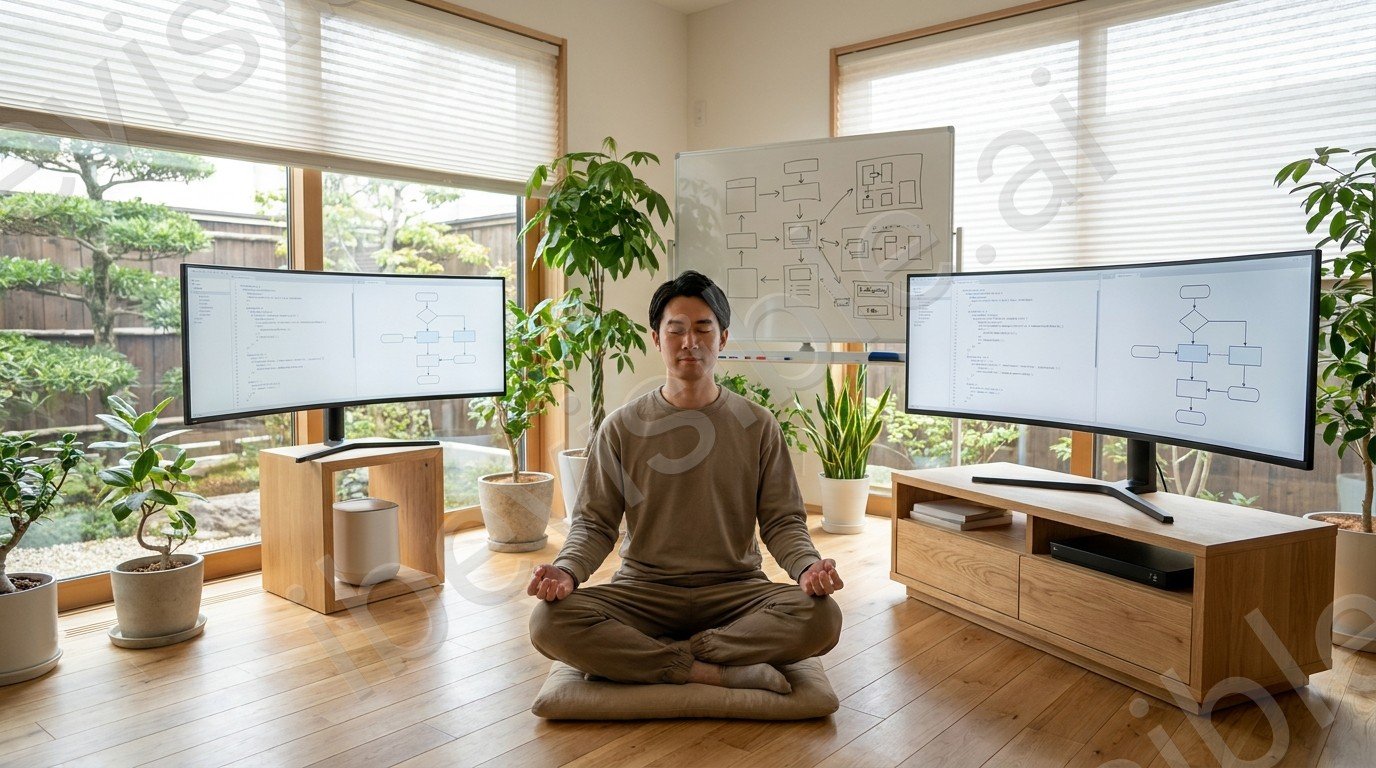
Creating a Zen-like workspace is an integral part of maintaining mindfulness in software engineering. This includes ergonomic setups that promote good posture, reducing physical strain and boosting mental clarity. A clutter-free desk can also mirror a clutter-free mind, enhancing focus and productivity.
In regions across Australia, incorporating elements like natural light, greenery, and minimalistic design has been found to enhance the mindfulness of teams, promoting a positive environment conducive to creativity and sustained focus. These practices align with the principles of mindfulness, encouraging a balanced and harmonious work setting.
Next Steps for Embracing Zen in Software Development
As the Australian tech industry continues to grow, so does the importance of integrating mindfulness into our work practices. By adopting these strategies, we can not only improve our individual performance but also enhance the collective productivity and well-being of our teams.
To truly embrace ‘The Zen of Software Engineering’, we must commit to ongoing personal and professional development. Investing in mindfulness not only benefits us as engineers but also enriches our projects and organisations, paving the way for innovative, efficient, and fulfilling careers in software development.
Conclusion: The Harmonious Path of Mindful Engineering
Embracing mindfulness in software engineering is more than just a trend; it is a transformative approach that leads to cleaner code, better decision-making, and reduced bugs. By fostering a mindful culture within our teams, we can unlock new levels of productivity and innovation, ensuring that our projects not only succeed but excel in the competitive landscape of the Australian tech industry.
Why Mindfulness is Essential in Incident Response
In critical situations where systems are down, maintaining calm can prevent hasty decisions that lead to temporary fixes rather than long-term solutions. Mindfulness techniques, such as controlled breathing and momentary meditation, can help engineers manage stress and approach issues methodically, ensuring robust resolutions.
Frequently Asked Questions
Mindfulness enhances focus and concentration, reducing the likelihood of oversight and careless errors that often lead to bugs.
Mindful coding sessions, ego-less programming, and micro-mindfulness during debugging are effective techniques for engineers.
A mindful workspace promotes mental clarity and reduces physical strain, leading to increased focus and productivity.
It creates space for thoughtful evaluation, leading to better architectural and strategic decisions.
Mindfulness helps manage stress and ensure methodical, long-term solutions in high-pressure situations.
Sources & Further Reading
- Zen and The Art of Software Development – Dev Genius
- The Art of Doing Less: A Software Engineer’s Guide to Zen
- Mindfulness Tips for Web Developers
#MindfulCoding #ZenEngineering #SoftwareDevelopment #TechMindfulness